Wireless XLR speaker transmitters let you remove long cable runs, add stage mobility, and simplify setup for PA systems, mixers, and microphones. Below is a quick comparison of notable plug-on XLR transmitters and full transmitter/receiver systems selected for range, compatibility, and real‑world features.
| Product | Brand | Key Feature |
|---|---|---|
| ALTO Stealth 1 Mono UHF | ALTO | 100+ Feet UHF Range, 16 Channels |
| BEIGRAD Wireless XLR | BEIGRAD | 164ft Range, 0/5/48V Switchable |
| Ulumac Aroma UHF System | Ulumac | U‑Band UHF, FCC Certified, 7 Channels |
| YXG UHF Plug-On System | YXG | Supports 10 Sets, <0.25ms Delay |
| POGOLAB 2.4GHz XLR Adapter | POGOLAB | 2.4GHz, 150ft Range, 12h Battery |
ALTO Stealth 1 Mono UHF XLR Wireless
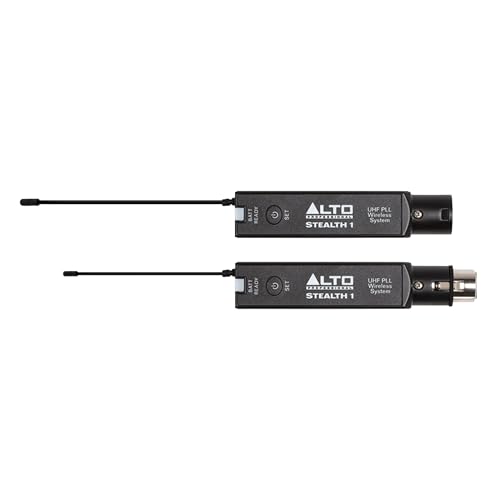
The ALTO Stealth 1 is a transmitter/receiver wireless system designed for powered speakers, mixers, and dynamic microphones. It uses the UHF band with 16 selectable channels to help avoid interference in congested RF environments. The system advertises a reliable 100+ foot range, enabling long cable-free connections for live events and venue setups.
Included features support plug‑and‑play use with XLR-equipped gear and remove lengthy cable runs. The multiple channels and UHF design make this system appropriate when avoiding Wi‑Fi and Bluetooth congestion is a priority.
BEIGRAD Wireless XLR Transmitter & Receiver

BEIGRAD provides a UHF wireless plug-on adapter with an HD display showing signal, battery, and channel info. The unit supports a switchable operating voltage of 0V/5V/48V, allowing use with both dynamic and condenser microphones that require phantom power.
The system lists an advertised wireless range up to 164 feet and a built‑in battery providing about 8–9 hours runtime. The UHF operation and visual status make it suitable for stage performers who need phantom power compatibility and clear RF status feedback.
Ulumac Aroma UHF Wireless XLR Adapter

The Ulumac Aroma uses U‑band UHF frequencies to reduce dropouts and interference common with 2.4GHz systems. The product claims a 100–165 ft range, 7-channel support, and FCC certification for U.S. regulatory compliance in its specified band.
Technical specs highlight 24‑bit audio at 192kHz, low latency (<5ms), and compatibility with dynamic mics, mixers, and PA systems. The manufacturer notes limitations for devices requiring phantom power, so verify mic power needs before pairing.
YXG UHF Plug-On Wireless XLR System

YXG’s M‑ONE system offers a plug‑on XLR transmitter and receiver with a UHF RF design and claims up to 160 feet range. Specs emphasize uncompressed signal transmission, a wide frequency response (20Hz–20kHz), and high dynamic range for low noise performance.
The system supports running up to 10 sets simultaneously and lists sub‑millisecond latency suitable for live performance and multi‑mic setups. Its broad compatibility includes dynamic and condenser mics, mixers, and PA systems, making it a flexible option for multi‑channel events.
POGOLAB 2.4GHz Wireless XLR Adapter

POGOLAB offers a 2.4GHz XLR wireless adapter designed for plug‑and‑play freedom with dynamic microphones and mixers. It advertises a 150 ft range and a long battery life of around 12 hours per charge, targeting meetings, mobile DJs, and small performances.
Because it operates at 2.4GHz, this adapter is convenient where UHF licensing, antenna placement, or receiver racks are impractical. However, 2.4GHz can be more susceptible to Wi‑Fi and Bluetooth congestion in busy venues compared to UHF solutions.
Buying Guide: How To Choose A Wireless XLR Speaker Transmitter
Selecting the right wireless XLR transmitter for speakers or microphones depends on several technical and practical factors. Below are key considerations to evaluate before purchase.
1. Frequency Band And Interference
UHF (and U‑band) systems generally offer better penetration and less interference in venues crowded with Wi‑Fi. 2.4GHz systems are convenient and unlicensed but can be affected by Wi‑Fi and Bluetooth. Check local regulations and venue RF environment when choosing.
2. Range And Line‑Of‑Sight
Advertised ranges vary—common claims are 100–165 feet. Real coverage depends on obstacles, antenna orientation, and interference. For large stages or outdoor venues, favor systems with higher UHF range and robust link margins.
3. Phantom Power And Mic Compatibility
If you plan to use condenser mics that need 48V phantom power, confirm the transmitter supports 48V or allows passthrough switching. Some adapters only support dynamic mics or low‑voltage phantom and will not power certain condensers.
4. Channel Count And Multi‑Mic Use
Look for systems with multiple selectable channels and the ability to run several sets simultaneously without interference. For multi‑mic setups, choose gear designed to support multiple units in the same environment.
5. Latency And Audio Quality
For live performance and video sync, low latency (<10ms) is important. Assess whether the system uses uncompressed transmission and supports adequate sample rates and bit depth for your needs.
6. Power And Battery Life
Consider runtime for event lengths and whether the unit uses rechargeable internal batteries or swappable AA batteries. Also check charging time and whether the receiver and transmitter share the same battery behavior.
7. Form Factor And Connectivity
Plug‑on transmitters that attach to the mic’s XLR output are compact and portable. Full transmitter/receiver kits often provide more control, displays, and rack‑mount options. Ensure the receiver output matches your mixer/speaker inputs (XLR line level vs mic level).
8. Regulatory Compliance
Verify FCC certification or regional compliance for UHF/TV band use in your country. Certain UHF bands require licensing or are restricted; choose a model certified for your region to avoid legal and interference issues.
9. Support, Firmware, And Ease Of Use
Look for clear channel selection, displays for signal and battery, and simple pairing or auto‑sync features. Firmware updateability and manufacturer support can extend product life and reliability.
10. Use Case Matching
- Small venues / presenters: 2.4GHz adapters can be simple and effective.
- Busy RF environments / larger stages: UHF or licensed‑band systems often provide more reliable links.
- Condenser microphones: Confirm 48V phantom power support.
- Multiple simultaneous mics: Choose multi‑channel, multi‑unit compatible systems.