Finding the right stage microphone for singing hinges on voice type, venue size, and whether you need wired reliability or wireless freedom. This guide highlights five strong options across wired and wireless categories, helping performers choose the best mic for live stages, studios, or rehearsal spaces. Each pick targets common buyer needs—durability, feedback rejection, and clear vocal projection—while noting who benefits most from each model.
Product Comparison Snapshot
- Shure SM58-LC: Classic vocal presence with trusted cardioid pattern; ideal for live performances and studio work.
- Shure SM58S: On/off switch and built-in pop guard; great for singers and speakers who need quick mic control on stage.
- JBL Wireless Two: Dual-channel wireless system for duos or small ensembles; best for mobility on stage.
- Sennheiser E 835: Durable cardioid vocal mic with balanced response; good for versatile stage and studio use.
- Pyle PDMICKT34 (or similar Pyle dynamic kit): Budget-friendly all-in-one kit with cardioid pattern and included accessories; best for beginners or budget-conscious setups.
Shure SM58-LC Dynamic Vocal Microphone

The Shure SM58-LC delivers legendary vocal clarity with a tuned midrange lift that provides warmth and articulation, helping vocals cut through a mix on stage or in the studio. Its cardioid pickup minimizes background noise and feedback, keeping the voice front and center in loud environments. Best for performers and broadcasters who value a reliable, recognizable sound on live stages and in rehearsal spaces.
Best for: Live vocalists performing in bars, clubs, or small arenas, and studio vocal tracking where a dependable, classic vocal fingerprint is desired.
Caution: As a standard wired dynamic mic, it lacks built-in wireless flexibility; you’ll need a separate transmission setup for stage mobility.
Shure SM58S Dynamic Vocal Microphone with On/Off Switch

The SM58S adds an on/off switch and a built-in pop filter for simple stage control and reduced handling noise. Its cardioid pattern isolates the singer’s voice, making it a go-to choice for live performances, rehearsals, and on-stage speaking events. The mic is a staple in venues worldwide for its reliability and consistent vocal presence.
Best for: Singers and speakers who need quick on/off control and reliable sound during live sets, clubs, and churches.
Caution: If you frequently perform in extremely loud environments or require wireless operation, pairing with a wireless system is necessary since this model is wired only.
JBL Wireless Two Microphone System
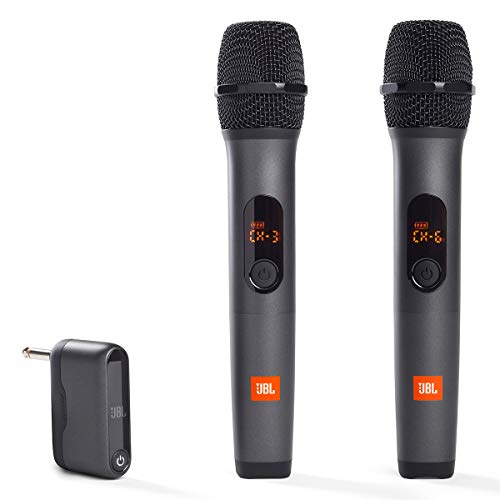
The JBL Wireless Two system provides high vocal quality and a simple plug-and-play setup. It supports dual-channel operation to capture two voices with clear separation and a cohesive final mix. Rechargeable battery life offers up to several hours of performance, making it a practical choice for duos or small groups.
Best for: Small duos or rehearsals where mobility matters and a straightforward wireless setup is preferred.
Caution: Wireless systems can be susceptible to interference in crowded RF environments; ensure proper channel selection before performances.
Pyle 3 Piece Dynamic Microphone Kit (PDMICKT34)

This Pyle kit bundles a dynamic cardioid handheld mic with a hard carry case, clips, and a 26-foot XLR cable. Its unidirectional cardioid pattern reduces background noise, offering solid performance for live vocals and studio sessions. Durable construction supports frequent gigging and travel.
Best for: Beginners or budget-conscious setups seeking a complete, ready-to-use live sound package with essential accessories.
Caution: The included components may be basic; expect entry-level performance and consider upgrading cables or accessories for larger venues.
Shure BETA 58A Vocal Microphone

The BETA 58A offers stage-ready vocal clarity with a tailored response and a supercardioid pattern that maximizes gain before feedback. Its neodymium magnet contributes a high signal-to-noise ratio, delivering a consistent, professional output across varied loads. Rugged construction helps withstand life on the road.
Best for: Stage performers and touring artists who need strong feedback suppression and a focused vocal presence in loud environments.
Caution: The Beta 58A can be a more expensive option than basic models; consider your budget and venue needs before upgrading from entry-level mics.
Sennheiser Professional E 835 Dynamic Cardioid Vocal Microphone

The E 835 features a cardioid pickup pattern for good signal isolation and feedback rejection, maintaining signal quality during movement on stage. Its balanced response and gentle presence boost help ensure vocal clarity and projection across venues of varying sizes. Rugged build supports frequent use in touring or studio environments.
Best for: Singers who need dependable performance with solid feedback rejection and a balanced vocal tone for both live and studio work.
Caution: Some users prefer higher-end models for extremely demanding stages; for basic gigs, this mic offers a strong balance of price and performance.
Buying Guide: How to Choose the Right Stage Microphone for Singing
- Wired vs. Wireless: If you value absolute reliability with no battery concerns, choose wired. If mobility without cables is essential, consider wireless systems like the JBL setup, but prepare for potential RF interference.
- Pickup Pattern: Cardioid mics are standard for vocals, offering good isolation from background noise. Supercardioid or tighter patterns help in loud stages with band members nearby, though they can be more sensitive to placement.
- Durability and Build: Stage gear should withstand frequent setup and breakdown. Look for metal grilles, rugged bodies, and shock mounts for long-term use.
- Voice Type and Style: For warm, intimate vocals, classic dynamic mics (like SM58 variants) provide familiar tone. If you need brighter presence for projection, models with tailored frequency responses can help.
- Accessories and Setup: Consider kits with basic cables, clips, and cases for value. Pop filters help reduce plosives, especially in close-mic scenarios.
- Maintenance: Dynamic mics are generally durable and low-maintenance, but regular mic technique and cable care extend life and consistency on stage.
Frequently Asked Questions
- What is the difference between the Shure SM58-LC and SM58S?
– The SM58-LC is a standard wired mic with no on/off switch, while the SM58S includes an on/off switch and built-in pop filter for easier stage control. - Should I choose a wireless system or a wired microphone for live performances?
– Wireless offers mobility and less cable clutter but requires RF management and battery consideration. Wired mics are straightforward and highly reliable for fixed setups. - Which microphone is best for high-gain stages with loud monitors?
– Mics with strong gain-before-feedback characteristics and a cardioid or supercardioid pattern, such as the BETA 58A or E 835, are well-suited for loud environments. - What should I look for in a beginner’s mic kit?
– A cardioid dynamic mic with included accessories (cables, clips, storage case) provides a complete starter package at good value while teaching proper mic technique. - Are dynamic mics better for live stage use than condensers?
– For typical live vocal work, dynamic mics are preferred for robustness, feedback resistance, and consistent performance in varying stages and monitors. - Can I use any XLR cable with these mics?
– Most standard XLR cables will work; ensure cable quality and length match your venue’s needs and avoid excessive cable slack that can cause tripping hazards.