Need reliable in-ear monitors for stage performance, studio work, or live mixing? This guide highlights top professional in-ear monitors (IEMs) that balance sound quality, comfort, and durability. Each option caters to different users—serious performers, audio engineers, and audiophiles seeking precise detail. The picks below emphasize secure fit, driver configuration, and build quality to support long sessions on stage or in the studio.
Quick comparison table
| Product | Best For | Key Driver Type | Notable Strength | Limitations |
|---|---|---|---|---|
| Ultimate Ears UE 350 | Musicians needing reliable stage monitors | Triple Knowles balanced armature + dual lows | Strong headroom and clear highs | Single pair; basic accessory kit |
| Linsoul KZ ZS10 Pro (Black) | Budget-conscious players seeking bright detail | 4BA + 1DD hybrid | Extended highs, detachable cable | Coherence can vary with fit |
| SENNHEISER IE 100 PRO | Professional monitoring with reliable fit | 10 mm dynamic driver | Clear, punchy mids and lows | Tips fit can affect sound seal |
| YINYOO Melody | Stage musicians needing robust fit and comfort | 1DD + 4N OFC cable | Comfortable, wrap-around design | Enclosure material varies by model |
| BASN Bmaster Triple Drivers (White) | Engineers and performers needing isolation | Triple drivers | Good sound isolation and balance | Basic cable options |
Ultimate Ears Professional UE 350 Universal In-Ear Monitors
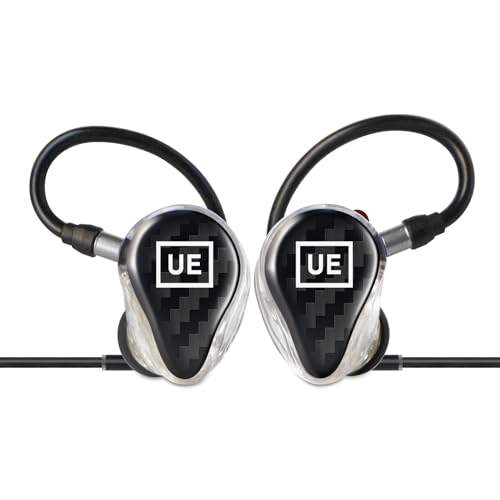
The UE 350 uses triple Knowles balanced armature drivers with a dedicated dual low-mid setup to deliver extended headroom and dynamic range for live audio. A perform fit design emphasizes a secure seal for long sessions. Best for musicians who need dependable stage monitoring with consistent comfort and predictable response.
Best for: On-stage performers and studio engineers who require stable isolation and clear transient response.
Why selected: The driver configuration supports detailed highs and controlled lows, making it a reliable standard for professional monitoring.
Caution: Fit and seal are critical; ensure a proper seal to maximize perceived headroom.
Linsoul KZ ZS10 Pro (Black)

The ZS10 Pro features an upgraded 4BA+1DD hybrid driver layout and a magnetic dynamic unit, offering bright highs and detailed mids. The 304 stainless steel faceplate and durable resin cavity provide a premium aesthetic and robust construction. A detachable, gold-plated ODC cable supports upgradability and longevity. Best for those who want a detailed, engaging sound with modern build quality.
Best for: Musicians and gamers who value extended treble and a responsive overall balance.
Why selected: Its hybrid driver arrangement provides a lively, transient sound signature ideal for detailed monitoring.
Caution: High-frequency detail can be fatiguing for sensitive ears over long sessions.
SENNHEISER IE 100 PRO Dynamic In-Ear Monitoring Headphones

Equipped with a 10 mm dynamic transducer, the IE 100 PRO targets precise and balanced monitoring across the spectrum. The driver design reduces acoustic stress for distortion-free reproduction. Tip fit directly influences sound quality, so users should select tips that seal comfortably. This model emphasizes reliable, clear monitoring with consistent performance across sessions.
Best for: Professionals who need dependable, straightforward monitoring with strong midrange presence.
Why selected: The dynamic driver delivers a robust, coherent response suitable for live monitoring.
Caution: Correct tip fit is essential for achieving the expected sound and call performance in live use.
YINYOO Melody In-Ear Monitors

The Melody IEMs offer a lightweight design with PC cavity construction and ear fins for stability. A 4-core OFC cable and 3.5 mm plug provide reliable connectivity across a range of devices. The wrap-around ear design helps keep the monitors in place during movement on stage, making them a practical choice for performers who value comfort during long sets.
Best for: Performers needing a secure, comfortable fit and stable on-ear reception while moving.
Why selected: Comfort and stability are strong suits, supported by a detachable cable for easy upgrades.
Caution: Material variations may affect perceived tone; ensure a good seal to maximize bass and mid clarity.
BASN Bmaster Triple Drivers In-Ear Monitor (White)
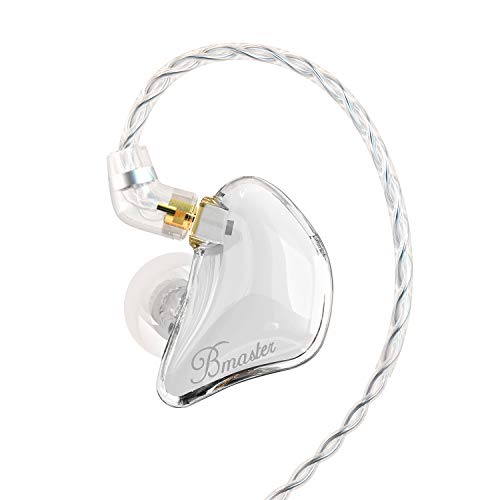
The BASN Bmaster delivers triple-driver performance in a compact form, with two detachable cables and a fit designed for minimal ear fatigue. Its sound isolation helps maintain detail at low listening volumes, and the overall balance is suitable for stage and studio environments. Best for engineers and musicians who need reliable isolation and a coherent low-to-mid range response.
Best for: Audio engineers and performers who require solid isolation and consistent tonality.
Why selected: The triple-driver setup supports a balanced sound with clear highs and controlled bass.
Caution: Cable options may require accessory upgrades for optimal flexibility in some rigs.
Buying Guide
What should you look for in professional IEMs?
- Driver configuration: Triple drivers, hybrid, or dynamic drivers affect detail, headroom, and bass response. Consider your typical monitoring needs on stage or in the studio.
- Fit and seal: A secure seal is essential for accurate frequency response and isolation. Try different tips and consider ear-fins or wrap-around designs for stability.
- Cable design: Detachable cables allow upgrades and easier replacements. Look for gold-plated contacts and robust connectors to extend life on busy gigs.
- Isolation and noise rejection: Better isolation reduces stage bleed and helps you hear your mix clearly in loud environments.
- Durability and comfort: Materials, build quality, and weight matter for long sessions. Ergonomic shapes reduce ear fatigue.
Which IEMs match specific needs?
- Live performers needing steadiness and headroom: Look for models with specialized driver configurations and secure fits (e.g., UE 350 style).
- Engineers prioritizing flat, cohesive sound: Favor models emphasizing low distortion and accurate mids (dynamic or hybrid drivers with good PCB layout).
- Budget-conscious players: Hybrid and multi-driver options can deliver good detail at lower price points, but fit and seal matter most.
- Comfort-focused users: Wrap-around or lightweight housings with multiple tip options improve long-session wearability.
How to test IEMs before buying
When possible, audition multiple models with your typical on-stage volume. Check for comfort, seal, and whether the highs can cause fatigue. Ensure the cable and connector feel sturdy and that the tips suit your ear anatomy for a stable seal.
FAQ
- What is the advantage of a triple-driver IEM?
Triple drivers can offer better headroom and more precise separation across frequencies, which helps during live monitoring. - How important is tip fit for IEM sound?
Very important. Proper tips ensure seal, isolation, and accurate tonal balance; poor fit can reduce bass and clarity. - Are detachable cables worth it?
Yes, they extend the life of the IEMs and allow upgrades to higher-quality cables as needed. - Can I use these IEMs for both live and studio work?
Many are suitable for both, but preferences vary. Look for models with balanced frequency responses and stable fit for both environments. - Will higher-priced models always sound better?
Not always. Build quality, driver design, and fit influence perceived value; choose based on your use-case and comfort. - Do I need to buy custom tips?
Custom or compliant third-party tips can improve seal and comfort, but ensure compatibility with your chosen model.