Choosing the right power supply for a subwoofer ensures reliable bass, protects electronics, and matches power requirements. The table below summarizes five relevant Amazon options including dedicated subwoofer adapters, versatile SMPS units, replacement power cords, and DIY amp boards suitable for subwoofer projects.
| Product | Type | Key Feature |
|---|---|---|
| XMHEIRD 24V 2.5A Adapter | Dedicated Adapter | 24V DC 60W Output |
| EAGWELL 12V 50A SMPS | Switch-Mode Power Supply | Up To 600W Peak, Multi-Current Options |
| IronBox 5-15P To C13 Cord | AC Power Cord | Heavy-Duty 15A 125V Construction |
| ACHOWER 6FT LG Replacement Cord | Replacement AC Cord | UL Listed 2-Prong For LG Subwoofers |
| VBESTLIFE 100W Digital Amp Board | DIY Amplifier Module | Preamplifier + Bass Crossover, 12–24V |
XMHEIRD 24V Adapter

This adapter is a purpose-built 24V DC, 2.5A (60W) supply aimed at Klipsch and similar soundbar/subwoofer models. It features a 5.5mm x 2.5mm blue-tip connector and broad input compatibility of 100–240VAC, 50/60Hz, making it suitable for international use with the correct plug.
Listed compatibility includes several Klipsch models and part numbers, which reduces the risk of mismatched polarity or connector size. The dedicated-output design minimizes electrical noise compared with improvised supplies.
Use cases: original-replacement for compatible subwoofers, modest powered satellite systems, and soundbars that require a stable 24V source. Check connector polarity and physical fit before purchase.
EAGWELL 12V 50A SMPS

The EAGWELL converter is a high-capacity SMPS offering nominal 12V outputs at multiple current levels and a peak capability up to 600W. It supports wide AC inputs and includes a built-in on/off switch, battery-clip style connections, and a full accessory kit for installation.
Key specs: dual voltage input auto-adjustment, recommended sustained power up to ~480W for devices under 40A, and guidance for motor/resistive loads where higher peak power is necessary. The unit includes UL-listed cord and multiple wiring options for direct-wire or clamp connections.
Use cases: powering active subwoofers modified to accept 12V DC, custom DIY subwoofer amplifiers, mobile/RV audio installations, or powering mid-power amplifier boards. Ensure the SMPS continuous and peak ratings match the amplifier/subwoofer start-up demands.
IronBox 5-15P To C13 Power Cord

This heavy-duty 5-15P to C13 cord is UL listed, rated for 15A/125V, and uses 14/3 SJT cable construction for durability. It is a common AC replacement cord for amplifiers, subwoofers, and desktop amplifiers that use an IEC C13 inlet.
Features emphasize robust construction and long-life use for consistent mains power delivery. The three-prong design provides grounded protection where the target device supports it, reducing risk compared to two-prong cords.
Use cases: replacing worn AC cords on powered subs or amplifiers, providing a grounded connection for studio or home theater gear, and OEM-style cord upgrades when higher durability is needed.
ACHOWER LG Replacement Cord
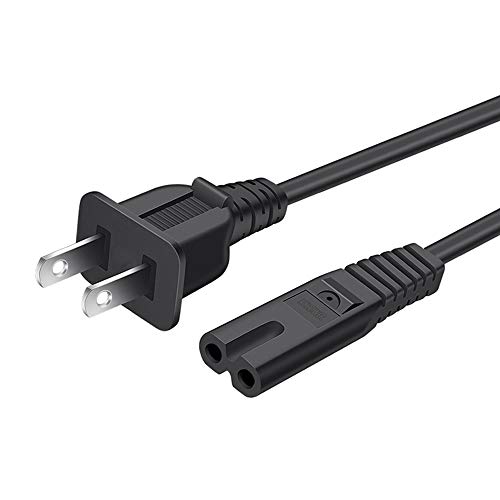
This 6-foot replacement power cord is targeted at LG subwoofers and soundbar subs using the figure-8 two-prong connector. It is UL certified and built with 18 AWG x 2C conductors rated for 125V and high temperature resistance.
Design highlights include copper-plated pins for reliable contact and compatibility across many LG subwoofer models that employ the IEC figure-8 connector. The two-prong design is common for low-power subwoofer modules.
Use cases: swapping a lost or damaged OEM cord for LG subwoofers, ensuring proper connector match and UL safety compliance for low-voltage AC subwoofer supplies.
VBESTLIFE 100W Amp Board

The VBESTLIFE digital amplifier board integrates a 100W class D amp chipset with a preamp stage, bass crossover, and volume control. It accepts a wide supply range of 12–24V and claims high efficiency up to ~90%.
Practical features: on-board bass crossover for subwoofer frequency management, adaptable supply voltage for different amplifier output targets, and compact form factor for DIY speaker builds or subwoofer upgrades.
Use cases: DIY subwoofer projects, small passive sub upgrades driven by a local DC power source, and pairing with a properly rated SMPS to meet amplifier current demands.
Buying Guide
When selecting a power supply for a subwoofer, match supply characteristics to the device and use case rather than choosing by headline wattage alone. Consider the following factors:
- Voltage And Polarity — Confirm the subwoofer or amplifier required DC voltage (e.g., 12V, 24V) and connector polarity. Incorrect voltage or reverse polarity can damage electronics.
- Continuous Vs Peak Current — Subwoofers and amps draw higher current at dynamic peaks. Choose a power supply with adequate continuous rating and sufficient peak headroom. For motors or inductive loads, double the peak capacity recommendation.
- Connector Compatibility — Use the correct barrel size, figure-8, or IEC connector. Measure physical fit and verify pin/wire arrangement on replacement cords or adapters.
- Regulation And Noise — Linear or well-regulated SMPS with low ripple reduces audible noise. Dedicated adapters for audio gear typically offer cleaner output than generic supplies.
- Thermal And Protection Features — Look for overcurrent, short-circuit, and thermal protection to safeguard subwoofer and amp circuits.
- Form Factor And Installation — Consider permanent direct-wire SMPS for installations or portable adapters for consumer subwoofers. Wall-wart adapters are best for OEM replacements; bench SMPS units suit custom builds.
- Grounding And Safety — Use grounded AC cords for equipment with a ground pin and UL-listed cables where possible. Two-prong figure-8 cords are acceptable for double-insulated devices but lack earth grounding.
- Efficiency And Heat — Higher efficiency (Class D amps, efficient SMPS) reduces heat and can lower enclosure ventilation needs.
- Compatibility With Amplifiers — If pairing with an amplifier board or external amp, ensure the power supply voltage equals the amplifier’s recommended supply and the current rating covers amplifier RMS output plus headroom.
- Installation Accessories — For DIY projects, pick SMPS kits that include mounting hardware, cables, and terminal lugs to simplify setup.
Comparison perspectives:
- OEM Replacement vs DIY — OEM-style adapters (e.g., XMHEIRD, ACHOWER) prioritize plug-and-play compatibility and proper polarity. DIY SMPS and amp boards (EAGWELL, VBESTLIFE) prioritize power and flexibility but require proper electrical know-how.
- Portable Use vs Fixed Install — Lightweight adapters and cords work for consumer subs; high-capacity SMPS units are better for installed systems or high-power amplifiers in vehicles and RVs.
- Grounded Power vs Ungrounded — Use grounded cords (IronBox) with grounded amplifiers for safety and reduced hum. Figure-8 cords are acceptable for low-power, double-insulated devices but do not provide earth ground.