Find the right isolation feet to minimize vibration, reduce skipping, and improve bass and overall clarity for your turntable. This guide highlights five top picks suited to different setups, from budget cork pads to heavy-duty aluminum spikes. Best for vinyl lovers seeking tighter transients, better bass, and quieter listening rooms.
| Product | Why It Stands Out |
|---|---|
| Tuneful Cables Cork Isolation Pads | Budget-friendly, adhesive-free cork pads that lift the turntable slightly and damp vibrations |
| YYTCG Isolation Feet | Aluminum-copper alloy spikes with diffraction groove for energy dissipation |
| kwmobile Turntable Isolation Pads | Silicone, self-adhesive, easy to install and rotate among components |
| Preffair Audiophile Spring Isolation Feet | Spring-loaded aluminum feet for high damping and solid base |
| Facmogu Aluminum Isolation Feet | Premium aluminum alloy, non-slip rings, strong weight bearing |
Tuneful Cables Cork Isolation Pads

Best for budget-conscious buyers seeking simple, non-adhesive vibration dampening. The 2″ x 2″ pads sit between the turntable and surface to absorb vibrations and improve focus, bass definition, and transient response. Ideal for entry-level setups or small listening rooms where minimizing vibrations is essential. Caution: cork pads may compress over time with heavy equipment.
YYTCG Isolation Feet for Turntable

Best for users seeking stronger vibration control and bass tightness. These aluminum-copper alloy feet feature a diffraction groove to scatter standing waves, potentially improving mid and high-frequency clarity. Well-suited for subwoofers or turntables in rooms with noticeable surface vibration. Caution: installation may require precise alignment to avoid rocking on uneven floors.
kwmobile Turntable Isolation Pads
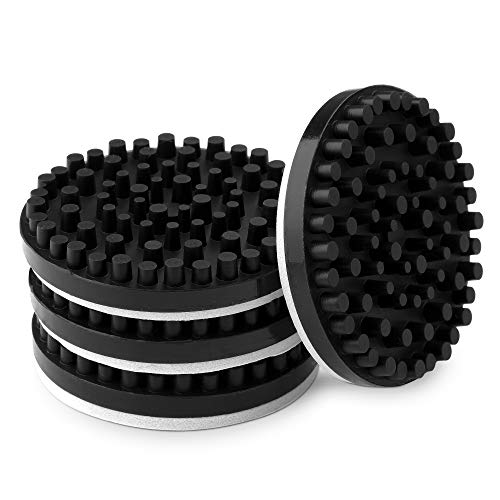
Best for quick, low-cost upgrades to turntable feet or speaker bases. The silicone pads provide easy, adhesive-backed installation with a 5.3 cm diameter. They help minimize vibrations that can cause skips and muddy bass. Caution: silicone pads may wear with heavy use or on very hot surfaces, potentially reducing grip over time.
Preffair Audiophile Spring Isolation Feet

Best for high-damping performance in stable environments. Spring-based aluminum feet help decouple the turntable and reduce energy transfer to the floor, producing tighter bass and cleaner mids. Suitable for heavier setups or rooms with higher ambient vibrations. Caution: installation requires mindful placement and a level surface to prevent tipping on uneven floors.
Facmogu Aluminum Isolation Feet

Best for enthusiasts wanting a robust, aesthetically pleasing upgrade. Precision CNC-machined aluminum with a non-slip rubber ring yields solid isolation and a tasteful look. Supports substantial weight and helps reduce cabinet rattling in shelving or stand setups. Caution: heavier feet may slightly raise the component’s height, affecting alignment with other gear.
Buying Guide: How to Choose Turntable Isolation Feet
What type of isolation do you need? Choose cork or silicone pads for budget-friendly, quick fixes, or go with metal spikes for higher damping and more substantial support. Consider surface type and weight. Heavier turntables on hard floors benefit from stiffer, lower-contact-point feet; lighter setups may perform better with softer pads that preserve tonearm alignment.
Material matters. Cork and silicone provide good damping with easy installation. Aluminum and alloy spikes offer higher damping and energy dissipation but may require careful positioning and level floors. Adhesive-backed pads are simplest to install; adhesive-free options offer repositioning flexibility.
Floor and room considerations. Hardwood or tile floors transmit more vibration; spikes or dense dampers help decouple equipment. Carpets dampen many vibrations already; pads with a larger footprint can improve stability on uneven surfaces. If you have a subwoofer, dedicated isolation that dampens low-frequency energy is beneficial.
Compatibility and weight. Check the weight capacity and the base diameter of your gear. Ensure the feet won’t elevate your components enough to misalign with the tonearm or vinyl rack. For turntables, aim for stability without adding excessive height that could stress cables or misalign the platter.
Frequently Asked Questions
- Do isolation feet improve sound immediately? Yes, by dampening vibrations, they can improve bass tightness and reduce rumble, but results depend on your room and equipment.
- Should I use pads under a subwoofer as well? If the subwoofer contributes to floor vibrations, isolation feet or pads can help reduce interaction with other gear and room acoustics.
- Are metal spikes better than cork or silicone? Spikes generally provide stronger decoupling for heavier gear, while cork or silicone are gentler and easier to install on delicate surfaces.
- Can isolation feet raise my turntable too high? It’s possible; check that the new height still allows proper tonearm alignment and belt/pulley clearance.
- Do I need professional installation? Not typically; most options are straightforward, but ensure level placement on a firm surface for optimal效果.
- How do I choose between adhesive and adhesive-free options? Adhesive pads stay put; adhesive-free pads offer repositioning if you move equipment or change setups.