Answering the question for home theater buyers: in-wall TV speakers offer clean aesthetics with solid sound. This guide highlights five in-wall options that balance width, clarity, and bass to suit different room sizes and installation needs. Best for wall-dedicated spaces, media rooms, or living areas where unobtrusive sound matters. The chosen products span compact 6.5″ to 8″ woofer configurations and include center-channel options for improved TV dialogue. See a quick summary table below to compare essentials at a glance.
| Product | Best For | Notes |
|---|---|---|
| Micca M-8S | Small to mid rooms, full-range sound | 8″ woofer, compact behind-wall profile |
| Micca M-6S | Smaller spaces, budget-friendly | 6.5″ woofer, strong value |
| Micca M-CS Center Channel | TV dialogue clarity in compact builds | Center-channel dedicated design |
| Klipsch R-5502-W II | High-efficiency, dynamic home theaters | Tractrix horn, robust drivers |
| Silver Ticket 5252W | Balanced stereo & center in medium rooms | Pivoting tweeter for placement flexibility |
Micca M-8S 8-Inch In-Wall Speaker
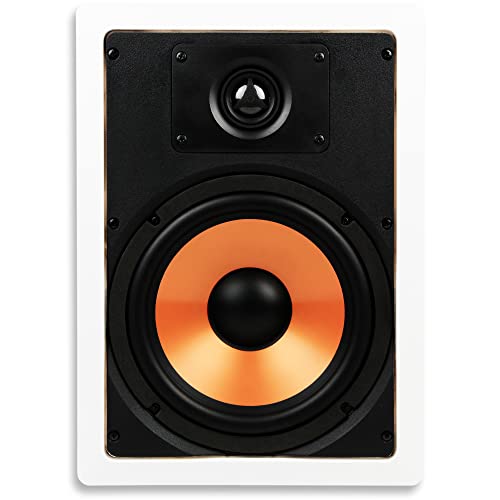
Best for: Medium to large rooms where powerful bass and clear highs are needed without visible speakers. The M-8S is part of Micca’s Media Series, designed for engaging sound across music and movies. It offers a smooth, natural signature with robust bass output to enhance home theater or background listening.
Why chosen: It provides a strong all-around performance with easy drywall mounting via built-in tabs, and its slim, rimed grill blends into wall color for a discreet setup. The design supports versatile placement in living rooms or media spaces.
Caution: Installation requires opening an access path in the wall; ensure stud and wiring clearance before mounting.
Micca M-6S 6.5-Inch In-Wall Speaker

Best for: Smaller rooms or budgets where you still want clear dialogue and music playback. The M-6S offers compact size with the same Micca sound philosophy as its bigger sibling.
Why chosen: Its 6.5″ woofer delivers solid mid-bass response in a compact enclosure, making it a practical choice for tight spaces. It’s better for setups where wall depth is limited.
Caution: Slightly reduced bass headroom compared with 8″ models; pair with a sub if you require deep bass for home theater effects.
Micca M-CS Dual 5.25-Inch In-Wall Center Channel

Best for: TV dialogue clarity in medium-sized rooms or where a dedicated center channel is beneficial for spread and imaging. Ideal for home theater front alignment with floorstanding or compact mains.
Why chosen: The center-channel design helps anchor dialogue, providing smoother center-image performance. Its in-wall format keeps speakers unobtrusive while delivering consistent sound across seating positions.
Caution: Center channels are most effective when paired with compatible front channels; mismatch in tonal balance can affect stage imaging.
Klipsch R-5502-W II In-Wall Speaker
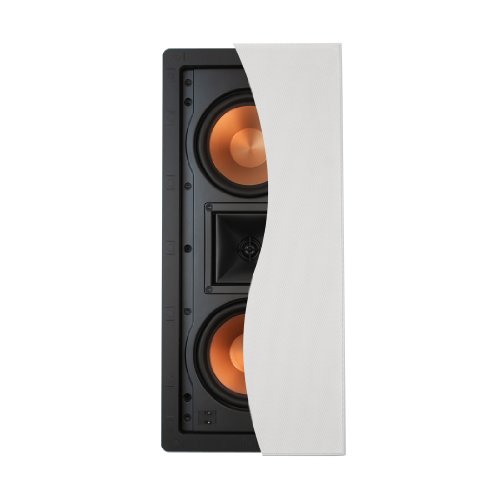
Best for: Enthusiasts seeking high efficiency and dynamic range for a TV or home theater with demanding audio tracks. The R-5502-W II suits larger rooms where loud, detailed sound is desired.
Why chosen: Features a 1” titanium diaphragm compression driver paired with a 90° x 90° Tractrix horn and dual 5.25″ cerametallic woofers, delivering strong treble clarity and impactful mid-bass. It’s a strong step up for clarity and loudness in-wall.
Caution: Higher sensitivity means it can sound bright in some room setups; tuning with proper placement helps avoid listener fatigue.
Silver Ticket 5252W In-Wall Speaker
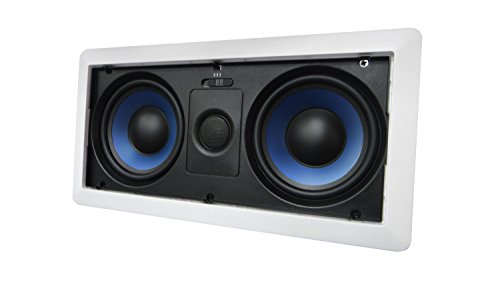
Best for: Center-balanced performance in medium rooms where you want a versatile in-wall speaker with a pivoting tweeter for positioning flexibility. A practical option for multi-room setups or home theaters with placed seating variations.
Why chosen: The pivoting 20mm silk dome tweeter helps tailor high-frequency response to seating positions, improving intelligibility and imaging. The dual 5.25″ mica polypropylene woofers deliver clear overall sound with reasonable bass extension.
Caution: The pivot angle should be used to fine-tune listening position; excessive toe-in may reduce stereo width in some layouts.
Buying Guide: In-Wall TV Speaker Selection
- Room size and seating: Choose smaller 6.5″ models for compact spaces and 8″ or dual-woofer designs for larger rooms. Center channels improve dialogue clarity in TVs and streaming content.
- Sound goals: If you value dialogue above all, prioritizing a dedicated center or a horn-loaded design can help. For music and effects, consider bigger woofers and broader frequency response.
- Installation depth: Check wall cavity depth and confirm stud locations. In-wall speakers require cutouts and mounting in drywall or studs; rimmed grills help with aesthetics.
- Placement and imaging: Pivoting tweeters and horn designs improve imaging in challenging rooms. Align front channels with the listener’s ears for best stage feel.
- Tonality and pairing: Match front left/right speakers with the center channel to maintain tonal balance across channels. Avoid mixing drastically different sound signatures unless you plan to recalibrate with a receiver.
- Aesthetics: Rimmed grills and paintable surfaces help blend speakers into the wall. Consider the finish options to match room decor.
FAQ
- What is the main advantage of in-wall TV speakers? – They provide a clean, unobtrusive look while delivering solid sound that supports TV dialogue and home theater effects.
- Do I need a center channel for TV sound? – A center channel improves on-screen dialogue clarity and imaging, particularly in crowded or larger rooms.
- Can I paint in-wall speakers to match my wall color? – Many models feature paintable grills or rims to blend with decor, enhancing aesthetics without sacrificing sound.
- Is an 8″ woofer better than a 6.5″ for in-wall speakers? – Generally, bigger woofers offer more bass extension and bigger output, but room size and enclosure design influence perceived bass more than woofer size alone.
- Should I pair these with a subwoofer? – For most home theaters, a subwoofer complements in-wall speakers, especially for movies with deep bass.
- Are in-wall speakers easy to install? – They require wall modifications and careful placement, but many models include mounting tabs and detailed installation guides for straightforward setup.