Choosing a center channel focused on music means prioritizing vocal clarity, wide frequency response, and smooth imaging. The table below summarizes five center channel speakers selected for musical performance across budgets and room sizes.
| Speaker | Key Feature | Ideal For |
|---|---|---|
| Klipsch R-52C | Dual 5.25″ spun-copper woofers, 90×90 Tractrix horn | Dynamic, detailed vocals and high efficiency systems |
| Polk Monitor XT35 | Slim design, 1″ tweeter + four 3″ woofers, Hi-Res | Wall-mount setups and modern slim TV placements |
| Polk T30 | Dual 5.25″ woofers + 1″ silk dome tweeter | Entry-level home theater with balanced midrange |
| Micca MB42X-C | Woven carbon fiber woofer, silk dome tweeter, ported | Budget conscious listeners wanting natural imaging |
| Polk Signature Elite ES35 | Six 3″ woofers, 1″ tweeter, Power Port technology | High-output, room-filling center for music and movies |
Klipsch R-52C Powerful Center Channel
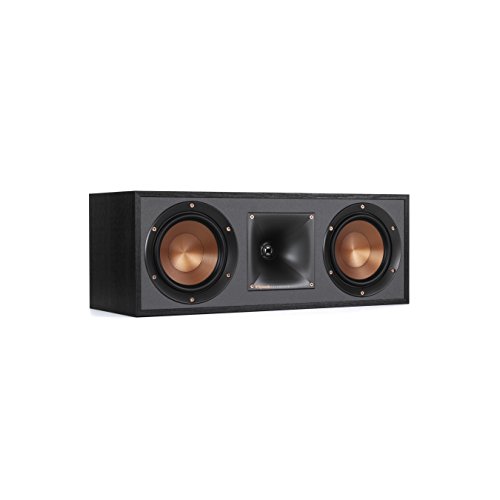
The Klipsch R-52C combines dual 5.25″ spun-copper IMG woofers with a 1″ aluminum LTS tweeter mated to a 90×90 square Tractrix horn. This design emphasizes high efficiency and controlled directivity, which helps vocals cut through in both music and mixed content.
Frequency response is listed at 89Hz–21kHz ±3dB, making the speaker focused on midrange clarity and upper-bass presence. The horn-loaded tweeter delivers high output with lower distortion at higher SPLs, which benefits dynamic musical passages.
Use cases: front-and-center for rock, acoustic, and vocal-centric mixes where forward presence and articulation are priorities. Its sensitivity suits lower-powered tube or vintage amplifiers.
Polk Monitor XT35 Slim Center

The Polk Monitor XT35 is a low-profile center with a 1″ Terylene tweeter and four 3″ dynamically balanced woofers. It’s marketed as Hi-Res certified and compatible with Dolby Atmos & DTS:X setups, emphasizing wide bandwidth and compact form factor.
Design advantages include its slim profile and wall-mount capability so it won’t obstruct modern TVs. Sonically, the multi-woofer layout aims to provide an open midrange and even dispersion across the listening area.
Use cases: living rooms with wall-mounted displays or soundbars replacement, listeners prioritizing unobtrusive installation while retaining clear vocals and high-frequency detail.
Polk T30 Home Theater Center
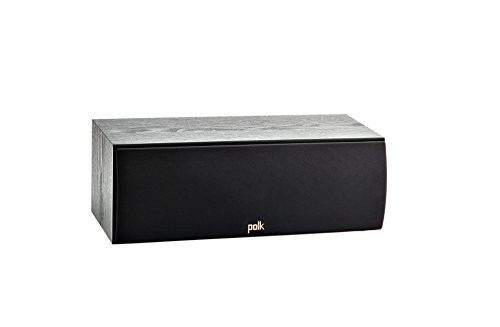
The Polk T30 uses dual 5.25″ woofers and a 1″ silk dome tweeter to create a balanced, full-range voice reproduction. Polk’s Dynamic Balance drivers and a tuned rear port support low distortion and deeper bass for its class.
Its tuning emphasizes natural midrange tonality, which helps musical vocals and acoustic instruments remain lifelike. Being timbre-matched to Polk’s T-Series makes it a logical choice for matching with Polk bookshelves or towers.
Use cases: first-time home theater buyers who want a center that blends with Polk mains for coherent ensemble presentation and steady vocal fidelity for music-forward content.
Micca MB42X-C Advanced Center Channel
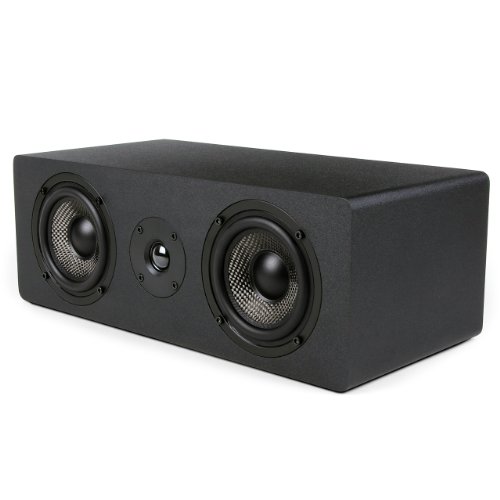
The Micca MB42X-C is a compact, budget-oriented center with a balanced woven carbon fiber woofer and a silk dome tweeter. A ported enclosure works to extend bass response with controlled low-frequency output.
Micca focuses on accurate imaging and smooth treble rather than aggressive coloration. For music, this results in a natural midrange and modest low-end support, useful in small to medium rooms or as part of an affordable stereo-plus-center setup.
Use cases: listeners seeking accurate vocal timbre on a tight budget or secondary systems where space and cost are limiting factors.
Polk Signature Elite ES35 Slim Center

The Polk Signature Elite ES35 packs a 1″ Terylene tweeter with six 3″ woofers arranged as a Dynamically Balanced Acoustic Array and features Polk’s Power Port technology. This configuration emphasizes both output and extended low-frequency performance.
Its high sensitivity and multi-woofer array produce room-filling sound with controlled bass and broad dispersion. The ES35 is designed for larger rooms or systems requiring a more robust center channel that still maintains detail for music.
Use cases: listeners who want a high-output center that preserves vocal clarity while offering stronger low-frequency presence for bass-heavy music or expansive home theaters.
Buying Guide: Choosing A Center Channel For Music
Selecting the best center channel for music performance involves weighing multiple technical and practical factors to match your listening priorities and room. Below are the key considerations.
1. Vocal Clarity And Midrange Accuracy
Center channels should reproduce dialogue and vocals with neutral midrange. Look for silk or Terylene tweeters and driver alignments that minimize phase anomalies. Time-alignment technologies or well-designed crossover slopes improve coherence between drivers.
2. Frequency Response And Bass Extension
For music, a center that reaches lower frequencies (port-assisted designs or larger woofers) can add body to vocals and instruments. Consider room size: small rooms benefit from tighter, controlled bass, while larger rooms need extended output or an additional subwoofer.
3. Sensitivity And Amplifier Matching
High sensitivity speakers like horn-loaded Klipsch models work well with low-power tube amps and produce higher SPLs per watt. Lower-sensitivity designs may require more amplifier power for the same SPL and dynamic headroom.
4. Dispersion And Imaging
Wide, even dispersion helps keep vocals centered across the listening area. Horn-loaded tweeters provide controlled directivity, while multi-woofer arrays or curved baffles can enhance off-axis balance and cohesion with left/right speakers.
5. Size, Mounting, And Aesthetics
Slim centers (e.g., Monitor XT35) are suited to wall-mounted TVs or shallow AV cabinets. Larger centers with multiple woofers or ports may require more shelf depth and space for optimal bass loading.
6. System Matching And Timbre
Match the center’s tonal character with left/right speakers for consistent timbre. Manufacturers often provide timbre-matched models within a series to ease integration and maintain a unified soundstage for music.
7. Room Acoustics And Placement
Room reflections and placement height affect perceived clarity. Position the center at ear height where possible, avoid blocking ports, and consider acoustic treatments or toe-in adjustments to refine imaging and vocal focus.
8. Budget And Value Considerations
Entry-level centers can offer accurate midrange at lower cost (Micca, Polk T30), while higher-tier models (Polk ES35, Klipsch) provide greater output, dynamics, and enhanced low-end. Choose based on system goals rather than price alone.
9. Compatibility With Surround Formats
If you use Dolby Atmos or object-based formats, ensure the center integrates with your AVR and supports the required bandwidth. Some slim centers advertise Atmos/DTS:X compatibility to preserve channel roles in immersive mixes.
10. Listening Tests And Measurements
If possible, audition with familiar music at realistic levels or consult frequency response and polar plots from reviews. Objective measurements combined with listening impressions reveal how a speaker will perform for music in your space.