The right center channel speaker improves vocal clarity and midrange detail for in-car audio systems and compact home setups. Below is a concise comparison of five relevant options that work for vehicles, desktop setups, or slim home theater stacks, including universal surface-mount car units and low-profile center speakers suitable for tight dash or console spaces.
| Product | Best For | Key Feature |
|---|---|---|
| WDiYA Universal Car Center Channel Speaker (B0F9YK49ZL) | Universal Mid-dash Car Install | 300W Peak, No-Cut Installation |
| WDiYA Car Surface Mount Speakers (B0FB37J9BS) | Surface-Mount Car Systems | Silk Film Tweeter, 600–20kHz |
| Saiyin Slim Center Channel Speaker (B0F6MXYMRY) | Desktop Or Small Home Theater | Dual 3.5″ Woofers, Wall-Mountable |
| Yamaha NS-C210BL Center Channel (B002JCSG2Q) | Compact Home/AV Receiver Pairing | 2-Way Bass-Reflex, Aluminum Cone Woofers |
| Polk Monitor XT35 Slim Center (B09BMWZ29F) | Slim TV/AV Cabinet Install | Hi-Res, Dolby Atmos & DTS:X Compatible |
WDiYA Universal Car Center Channel Speaker – High Performance
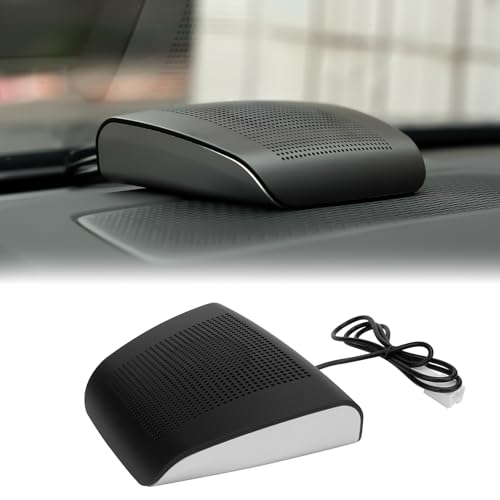
This WDiYA unit Is Designed For Universal Mid-Dash Installation Without Cutting Factory Panels. The product lists 300W peak power and a 4-ohm nominal impedance, covering a wide frequency span of 600–20,000 Hz, which targets clear highs and defined mids useful for dialogue reproduction in vehicles.
The package emphasizes a non-destructive installation approach with a universal fixed bracket and simple mounting hardware. The enclosure uses flame-retardant materials and a dustproof mesh grille for durability and daily-use safety. For installs where dash space is limited, this unit focuses on improving center imaging without requiring custom fabrication.
WDiYA Car Surface Mount Speakers – Premium Bass + Tweeter Unit
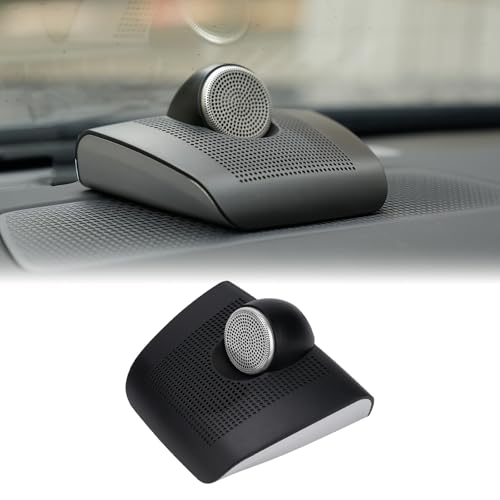
This WDiYA surface-mount center-channel option Shares Many Specs With The Other WDiYA Model, Including 300W Peak, 4-ohm Impedance, And A 600–20kHz Frequency Range. It Highlights A Silk Film Tweeter For Smooth Highs And A Design Intended To Reproduce Clear Midrange Detail For Vocal Content.
Installation Is Promoted As No-Cut, Tool-Friendly With A Universal Bracket Suitable For Trucks, SUVs, And Sedans. Safety-Focused Features Include An Impact-Resistant Mesh Cover And Flame-Retardant Shell Materials. This model Is A Practical Option Where A Compact, Dash-Friendly Center Source Is Needed.
Saiyin Slim Center Channel Speaker For Desktop Or Home Theater

The Saiyin Slim Center Channel Is Marketed As A Compact Center For Desktop Or Small Home Theater Use. It Features Dual 3.5″ Woofers And A Horn Tweeter Intended To Improve Vocal Clarity. The design supports both wall-mount and shelf placement, which is useful in constrained dash or console environments where space is limited.
This Speaker Requires A Separate Amplifier Or Receiver, so integration with a car amplifier or a desktop amplifier must be planned. Its emphasis on vocal reproduction and flexible mounting makes it practical as a dedicated center channel in tight installs where a shallow profile is needed.
Yamaha Audio NS-C210BL Center Channel Speaker – Each

The Yamaha NS-C210 Is A Compact 2-Way Bass-Reflex Center Channel Designed For AV Receivers. It Uses Light Aluminum Cone Woofers For Faster Response, And It’s Tuned To Reproduce The Full Dynamic Range Of HD Sources, Which Includes Clear midrange for dialogue.
While Primarily A Home Theater Unit, Its small footprint and predictable impedance make it a candidate for custom car installs where an enclosed center speaker is needed and space is constrained. Integration will require appropriate amplification and mounting planning to fit automotive environments.
Polk Monitor XT35 Slim Center Channel – Hi-Res Certified

The Polk Monitor XT35 Is A Low-Profile Center Channel That Emphasizes Hi-Res Audio Compatibility And Support For Dolby Atmos & DTS:X When Paired With Compatible Systems. It Features A 1″ Tweeter And Four 3″ Dynamically Balanced Woofers To Deliver A Wide Midrange And Controlled Bass For Clear Dialogue.
This Slim Enclosure Is Designed To Sit Under A TV Or In Tight Spaces, Which Aligns With The Needs Of Dash or console placements where depth is limited. It Works With Standard AV Receivers And Requires Proper amplification and mounting when adapted for automotive use.
Buying Guide: Choosing The Best Center Channel For Car Or Compact Install
Selecting the right center channel depends on application, space, power, and desired voice clarity. Below are key considerations and comparison perspectives to guide purchase decisions.
Intended Use And Mounting Location
- Automotive Mid-Dash Or Console: Choose surface-mount, slim enclosures, and units with universal brackets or custom dash adaptors. WDiYA units are explicitly optimized for non-destructive mid-dash installs.
- Desktop Or Small Room Home Theater: Slim center channels (Saiyin, Polk XT35) offer shallow depth and wall-mount options suited to limited space.
- Receiver-Paired Home Systems: Yamaha and Polk units are designed for AV receiver matching and benefit from room correction and equalization.
Power Handling, Sensitivity, And Amplification
- Power Ratings: Look at continuous (RMS) ratings rather than peak numbers to match amplifiers correctly. Many marketing specs list peak watts; plan for real RMS support.
- Sensitivity: Higher sensitivity speakers require less power to reach the same volume; important if using a small car amplifier or compact receiver.
- Impedance Compatibility: Ensure speaker impedance (commonly 4 or 8 ohms) matches the amplifier or car head unit/amp outputs.
Frequency Response And Voice Reproduction
- Midrange Focus: For dialogue clarity, prioritize speakers with focused midrange reproduction and smooth tweeter integration.
- Tweeter Type: Silk or terylene tweeters often yield smoother highs, while horn tweeters can improve perceived vocal presence in some setups.
- Low-End Support: Center channels typically handle mids and highs; deep bass should come from a subwoofer or main speakers.
Installation And Durability
- No-Cut vs. Custom Install: If avoiding dash modifications is a priority, choose products that advertise non-destructive mounting hardware and universal brackets.
- Materials: Flame-retardant shells, dustproof grilles, and impact-resistant covers are beneficial for automotive durability.
- Mounting Flexibility: Wall-mount brackets, shelf feet, or adjustable angles help aim the center channel toward listeners for better imaging.
Compatibility And System Integration
- Amplifier/Receiver Features: Use crossovers, bass management, and time-alignment features in receivers to blend center channel sound with other speakers effectively.
- Equalization: Room or vehicle cabin equalization improves center channel intelligibility; consider DSP-equipped amplifiers for tuning.
- Matching Tonality: When integrating a center with existing left/right speakers, aim for similar timbral characteristics or use EQ to match response curves.
Practical Comparison Perspectives
- Space-Limited Vehicles: Favor slim surface-mount units with no-cut installation (WDiYA models).
- High-Fidelity Home Or Desktop Listening: Choose speakers tuned for accurate midrange and higher resolution formats (Polk XT35, Yamaha NS-C210).
- Cost-To-Feature Balance: Consider whether features like Hi-Res certification, Atmos compatibility, or specialized tweeters justify integration complexity in a vehicle context.
Use these considerations to match the speaker’s physical form factor, electrical characteristics, and acoustic goals to your car or compact theater environment. Proper amplification and placement will be as important as speaker selection for achieving clear center-channel dialogue and imaging.