The right combination of bass amp and speaker depends on power, size, tone shaping, and intended use. Below is a compact comparison of five relevant options covering practice rigs, portable combos, and dedicated speakers for upgrades or DIY builds.
| Product | Type | Key Strength |
|---|---|---|
| Fender Rumble 15 V3 | Practice Combo | Classic Fender voicing, mid-scoop contour |
| JOYO Vibe Cube BA-30 | Portable Bass Combo | 30W with 3-band EQ and recording OTG |
| Peavey MAX 100 | High-Power Combo | Up to 100W, larger speaker for stage |
| Celestion Pulse 10″ Speaker | Replacement Speaker | Kevlar-loaded cone, 8 Ohm |
| GLARRY Portable Bass Combo | Lightweight Practice Amp | Compact with headphone and MP3 input |
Fender Rumble 15 V3 Bass Amp

The Fender Rumble 15 V3 is a compact practice combo designed around Fender’s tonal character. It lists 15 watts of output and a Fender Special Design speaker sized to suit small rehearsals and bedroom practice.
Controls and features referenced include an overdrive circuit and a mid-scoop contour switch for shaping modern bass tones. The amp’s top-mount control panel includes soft-touch ivory knobs for gain, tone, and volume adjustments.
Physical dimensions are listed as roughly 11.61 x 17.91 x 17.13 inches, making it a small footprint option for practice. The feature set emphasizes portability while retaining Fender-style voicing suitable for clean and driven bass tones.
JOYO Vibe Cube BA-30 Portable Bass Amp

The JOYO BA-30 Vibe Cube is a 30W portable bass combo engineered for practice, streaming, and small solo gigs. It features a 4″ full-range speaker with a dedicated LF radiator to reproduce low frequencies in a compact cabinet.
Key features include a 3-band EQ with a selectable MID FREQ control (200Hz–2000Hz) for precise tone shaping, built-in compression to manage dynamics, and multiple connectivity options such as Bluetooth 5.1 and OTG Type-C direct recording.
The BA-30’s emphasis is on flexible tone control and modern connectivity for content creators or practicing musicians who need direct recording or wireless playback without additional interfaces.
Peavey MAX 100 Bass Amp Combo
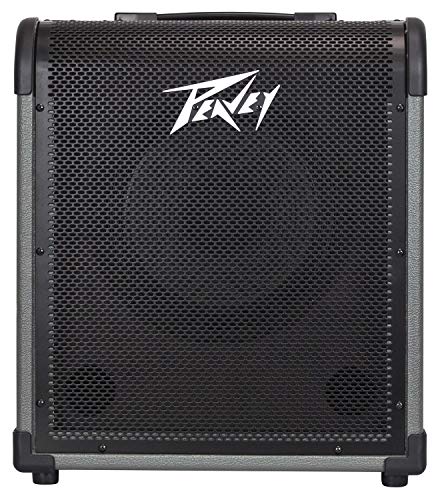
The Peavey MAX 100 is positioned as a higher-power practice and small-gig amp, offering up to 100 watts with a premium 10″ speaker. The combo incorporates Peavey’s DDT speaker protection system to safeguard the speaker from overload.
As a larger combo, the MAX 100 is intended for players needing greater headroom and projection than small practice amps provide. The 10″ driver delivers extended low-frequency response suitable for band situations where a compact but louder amp is required.
The product’s features prioritize power and durability, making it appropriate for rehearsals and venues where additional loudness and ruggedness matter.
Celestion Pulse 10″ Bass Guitar Speaker
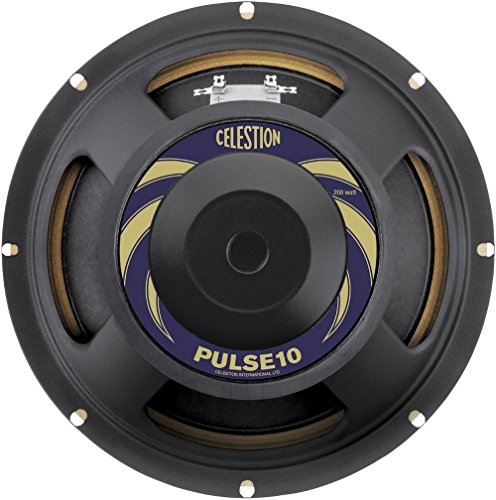
The Celestion Pulse 10″ is a replacement driver intended for upgrading combo cabinets or building custom bass speaker enclosures. It is specified as a 10″ speaker with an 8 Ohm impedance and a Kevlar-loaded cone for durability and controlled low-end response.
Replacement speakers like this are chosen when tonal upgrade, repair, or custom cabinet builds are planned. The Kevlar loading suggests improved cone strength and focused bass characteristics compared to generic paper cones.
Installation considerations include matching impedance to the amp and ensuring the cabinet’s volume and porting support the driver’s low-frequency performance.
GLARRY Portable Bass Combo Amp

The GLARRY Portable Bass Combo targets beginners and practicing musicians seeking an ultra-portable solution. Its listed features include gain, volume, treble, bass, and middle controls for basic tone shaping.
Connectivity includes a 1/8″ aux-in for MP3 players and a 1/4″ headphone jack for silent practice. The amp is described as lightweight with a belt clip for transport, emphasizing portability and convenience over high output.
For users prioritizing compact practice rigs or travel-friendly setups, this amp offers essential tone controls and auxiliary playback without extensive power or advanced features.
Buying Guide: How To Choose A Bass Amp And Speaker
This guide highlights key considerations for matching an amp and speaker to use case, instrument, and playback environment.
Power And Headroom
- Practice/Bedroom Use: 10–30W combos are typically adequate and remain compact.
- Rehearsal/Small Gigs: 50–100W offers more headroom and clarity in band contexts.
- Speaker Sensitivity: Speaker efficiency affects perceived loudness; higher sensitivity can offset lower wattage.
Speaker Size And Low-End Response
- 4″–6″ Speakers: Compact, portable, often rely on radiators or DSP to extend low end—good for bedroom practice.
- 8″–10″ Speakers: Balance between portability and bass response for rehearsal and small venues.
- Larger Drivers/Subwoofers: 12″ and above or dedicated subwoofers provide deeper, more impactful low frequencies for larger spaces.
Tone-Shaping Controls
- EQ Bands: 3-band EQ (bass/mid/treble) is standard; dedicated mid-frequency sweep adds precision.
- Contour/Mid-Scoop: Useful for shaping modern bass tones and fitting into mix situations.
- Compression/Overdrive: Built-in compressor evens dynamics; overdrive circuits add grit without external pedals.
Connectivity And Features
- DI/Recording Outputs: OTG or line outputs allow direct recording or streaming without mics.
- Bluetooth/Aux Inputs: Useful for practice with tracks or backing tracks; Bluetooth 5.x provides stable wireless streaming.
- Headphone Jack: Essential for silent practice; check whether it mutes the speaker if needed.
Construction, Portability, And Durability
- Cabinet Build: Heavier, denser cabinets often yield tighter low end; portable plastics reduce weight but may color tone.
- Speaker Protection: Features like DDT or thermal protection increase reliability in loud settings.
- Weight And Handles: Consider transport needs—belt clips and padded handles aid portability.
Matching Amp And Speaker
- Impedance Matching: Ensure speaker impedance matches amp output (e.g., 4Ω vs 8Ω) to avoid overloading electronics.
- Power Ratings: Choose speakers with a power handling rating equal to or greater than the amp’s maximum output.
- Cabinet Volume: Speaker performance depends on cabinet size and porting; replacement drivers require compatible enclosures.
Comparison Perspectives
- Practice Vs. Gigging: Prioritize portability and features for practice; prioritize headroom and rugged speakers for gigs.
- Upgrade Path: Beginners may start with small combos and later upgrade speakers or add a powered cabinet for more low-end.
- DIY And Replacement: Dedicated speakers like the Celestion Pulse allow tonal customization and cabinet refurbishing.
Use-case clarity—home practice, recording, rehearsal, or live performance—should guide selection between compact combos, higher-wattage combos, and separate speaker upgrades.