Looking for a compact amplifier that includes an XLR input for easy microphone connections? This guide spotlights five practical options that support XLR sources, ideal for singers, acoustic players, and small-venue performances. Each choice is explained for who it’s best for, with clear reasons and a practical caveat. A quick comparison table helps you decide at a glance.
| Product | Best For | Why It Stands Out |
|---|---|---|
| Fender Acoustasonic 15 | Budget acoustic sets, busking | Two channels; dedicated mic/instrument, compact and portable |
| Acoustic Guitar Amplifier, COOLMUSIC 30W | Home practice with dual inputs | 2 channels; built-in reverb/EQ options; Bluetooth |
| Rockville G-AMP 20W | Small jams, teaching, content creation | Dual inputs; onboard delay; Bluetooth streaming |
| Fender Acoustasonic 40 | Small gigs, stage monitoring | Dual 6.5″ speakers; built-in reverb; XLR/1/4″ inputs |
| Pyle PTA1000BT 2-Channel Power Amp | Bridge setups, multi-speaker rigs | 2000W peak; TRS XLR inputs; Bluetooth |
Fender Acoustasonic 15 Acoustic Guitar Amplifier
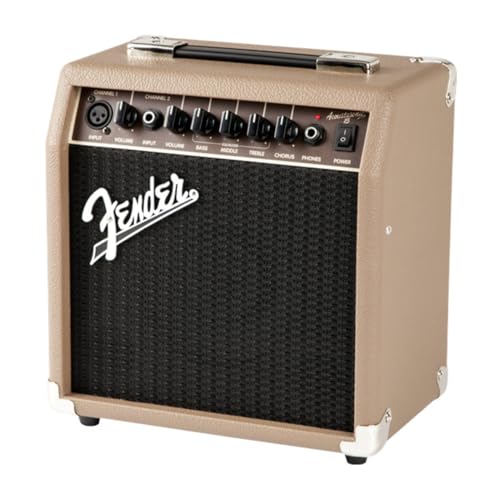
Best for beginners and buskers who need a compact, easy-to-carry amp with an XLR-capable mic channel. This 15-watt Fender model delivers two channels—one for instrument and one for microphone—with individual volume controls. The custom 6″ speaker helps preserve acoustic sparkle, and the simple layout makes quick setup practical for practice or small performances. Caution: limited power means best suited for intimate venues or home use; avoid large crowds where more headroom is required.
Acoustic Guitar Amplifier, COOLMUSIC 30W
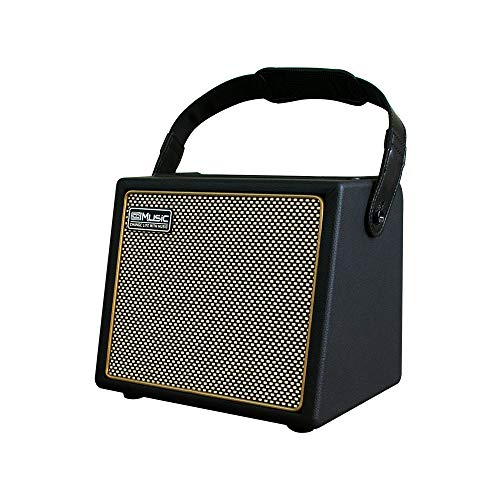
Best for home practice and casual small gatherings, offering two channels for guitar and microphone, plus built-in reverb and chorus-like effects. It also features Bluetooth, allowing background tracks or practice playback. Choose this if you want a compact, all-in-one practice system. Limitation: the built-in effects are basic; for advanced live processing you may want a dedicated effects pedal or interface.
Rockville G-AMP 20-Watt G-AMP Bundle

Best for small ensembles, teaching studios, or content creators who need flexible inputs and effects. It provides clean and overdrive channels, onboard delay, and Bluetooth streaming. The bundle includes a headset mic cable and extra cables, enhancing value. Caution: 20 watts may be modest in loud environments; consider pairing with a larger PA or using the boost modes carefully for crowd-heavy settings.
Fender Acoustasonic 40 Acoustic Guitar Amplifier

Best for small venue or on-stage monitoring, this 40-watt amp uses dual 6.5″ speakers with Whizzer cones for detailed acoustic reproduction. It includes built-in reverb and XLR/1/4″ inputs, making it versatile for live mic and instrument setups. Choose this when you need broader coverage and richer acoustic tones. Limitation: larger footprint than the 15-watt model; ensure your bag and stage space accommodate it.
Pyle PTA1000BT 2-Channel Power Amplifier

Best for multi-speaker setups and systems needing robust power delivery with flexible inputs. It offers 2000W peak power, Bluetooth, and both TRS and XLR input options, enabling rapid integration into larger rigs. Caution: highly powerful; ensure proper attenuation to avoid speaker damage and follow safe bridging configurations.
Buying Guide
What should you consider when choosing an amp with an XLR input?
- Power and venue size: Match wattage to room size and audience. Smaller rooms benefit from 15–40W amps; larger spaces may need 40–100W or more.
- XLR inputs and channels: Confirm you have at least one XLR input for a microphone. Dual-channel amps are helpful for separate vocal and instrument paths.
- Built-in effects and features: Reverb, EQ, or Bluetooth can reduce gear clutter. Consider whether you need on-board effects or if you’ll use external pedals or an audio interface.
- Portability and durability: If you travel often, prioritize lighter models with rugged housings and easy transport handles.
- Connectivity: Check for additional inputs/outputs (1/4″, USB, Bluetooth) to support practice, backing tracks, and direct recording.
- Budget and future use: Balance initial cost with potential growth—from simple practice setups to small performances.
FAQ
- Do all XLR inputs require phantom power? Most instrument mics and vocal mics do not require phantom power for standard dynamic mics, but condenser mics may require it if provided by the mixer or interface.
- Can I use a mic with a standard guitar amp? Yes, if the amp has an XLR or dedicated mic channel, but ensure the input is suitable for mic impedance and level.
- Is Bluetooth essential on a practice amp? Not essential, but convenient for backing tracks and silent practice. Wired connections often offer lower latency.
- What’s the difference between a guitar amp and a PA-style amp? Guitar amps focus on instrument tone; PA-style amps emphasize vocal clarity and audience coverage. Some hybrids cover both needs.
- Should I choose a 15W or 40W model for small gigs? For intimate venues or home use, 15–30W can suffice; 40W provides more headroom for small stages and monitors.
- Is a dedicated mic preamp beneficial? Yes, a dedicated mic preamp often yields cleaner vocal tone and gain control, especially with condenser mics.