Choosing the right 3.5 inch speaker can improve dash, door, or compact enclosure audio without major modifications. Below is a quick comparison table for the selected compact speakers and relevant small-driver options to consider.
| Product | Driver Size | Key Feature |
|---|---|---|
| KICKER KS-Series 3.5″ Coaxial (Pair) | 3.5″ | Polypropylene Cone, .5″ Tweeter, Redesigned Crossover |
| Kenwood KFC-835C 3.5″ Dual-Cone (Pair) | 3.5″ | Dual-Cone Design, 40W Handling, Wide Response |
| GRS 3FR-4 Full Range 3″ Driver | 3″ | Coated Paper Cone, Foam Surround, Economical Ferrite Magnet |
| Magnadyne 3″ Water Resistant Dual Cone (Pair) | 3″ | Weatherproof, 50W Handling, Slim Profile |
| Gikfun 2″ Full Range 4Ω (Pack Of 2) | 2″ | Small Full-Range Driver, 3W Rating, Project Friendly |
KICKER 51KSC3504 KS-Series 3.5″ Coaxial Speakers

These KICKER KS-Series speakers are designed as a direct upgrade from factory units for compact locations. They combine an internally dampened polypropylene cone and rubber surround for controlled midrange and improved low-end for a 3.5″ driver footprint.
Features listed by the manufacturer include updated cones, voice coils, and crossovers. The pair includes a 0.5″ tweeter for enhanced high-frequency detail. Rated as a serious upgrade option, they emphasize both volume capability and midrange clarity.
Considerations: These coaxials are tuned for automotive use and fit many dash and door locations. Check mounting depth and frame diameter for compatibility with your vehicle’s openings.
Kenwood KFC-835C 3.5″ Dash-Mount Dual-Cone (Pair)
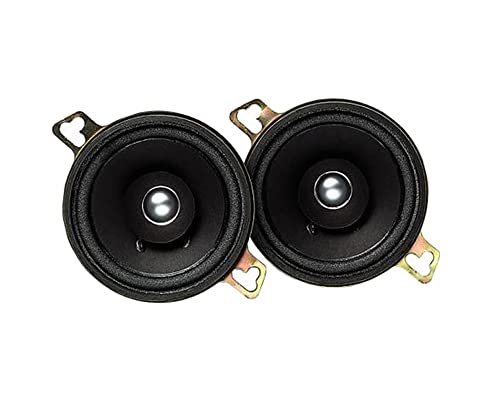
The Kenwood KFC-835C is a dual-cone design intended for dash or shallow-mount door installations. It lists a 40-watt power handling and a frequency response that starts near 96Hz and extends to 20kHz, reflecting emphasis on midrange and treble reproduction.
Key manufacturing features include a high-energy strontium magnet, which supports magnet strength in compact packages. The dual-cone layout aims to broaden bandwidth compared with a single-cone 3.5″ driver.
Considerations: This model suits OEM-replacement applications and installations with limited depth. The mid-forward response may require additional sub-bass support for fuller low-end in larger cabins.
GRS 3FR-4 Full Range 3″ Speaker Driver
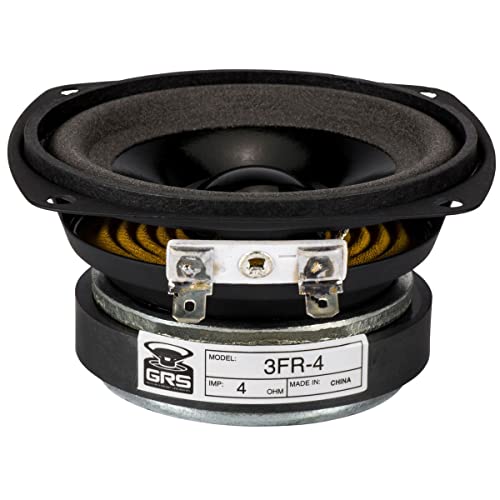
The GRS 3FR-4 is a compact 3-inch full-range driver geared toward DIY enclosures, small speaker builds, and replacement projects. Its coated paper cone with foam surround aims to deliver natural midrange characteristics.
Features emphasize an economical ferrite magnet assembly and a pincushion-shaped frame with a front gasket for flush mounting. The simple full-range design avoids added crossover complexity, making it suitable for single-driver setups.
Considerations: As a 3″ driver, this unit will prioritize midrange and may lack low-frequency extension. It’s often used in small sealed enclosures, vintage-style radios, or as mid drivers in compact multi-way systems.
3″ Water Resistant Dual Cone Speakers For Marine & RV
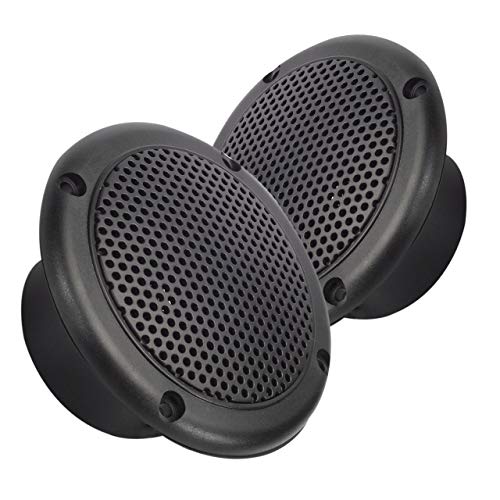
These Magnadyne 3″ speakers are marketed for marine, RV, and outdoor applications where moisture and UV exposure are concerns. The weatherproof construction includes UV and water resistance for longevity in exposed installations.
Manufacturer features include a 2.8 oz. magnet and a 50-watt power handling rating per speaker, along with a slim profile and 24″ wire leads with .250 male terminals for easy installation. Grills are included to protect the cones in harsh environments.
Considerations: Weather resistance and mounting adaptability make these appropriate for boats, campers, and outdoor cabinets. Expect design compromises in extreme acoustic fidelity compared with non-weatherized, similarly sized studio drivers.
Gikfun 2″ Full Range 4Ω Project Speakers (Pair)

Although smaller than 3.5″, the Gikfun 2″ drivers are included as a project-friendly option for ultra-compact systems and prototypes. Rated at 3W with a 4Ω impedance, these drivers fit hobby electronics, small desktop enclosures, or paired satellite channels.
Listed features note suitability for home audio-visual equipment and small HiFi applications. Their compact diameter and low power handling make them a choice where space and amplifier power are constrained.
Considerations: Expect limited bass from 2″ full-range cones. Use as satellites, midrange in multi-driver designs, or for lightweight portable systems where size and integration are priorities.
Buying Guide: How To Choose A 3.5 Inch Speaker
Selecting the right small speaker requires matching device size, acoustic goals, and installation constraints. Below are key factors to evaluate before purchase.
Driver Size And Application
- Intended Use: For dash or door replacements, look for 3.5″ automotive-specific drivers. For marine or outdoor use, prioritize weatherproofing.
- System Role: Small drivers handle midrange and treble better than deep bass. Plan a subwoofer or larger woofers if low-frequency output is desired.
Power Handling And Impedance
- RMS/Peak Ratings: Use RMS power handling to match amplifiers; higher peak ratings indicate short-term tolerance but rely on RMS for continuous use.
- Impedance: Most compact drivers are 4Ω or 8Ω. Ensure compatibility with your head unit or amplifier to avoid mismatches and power losses.
Materials And Durability
- Cone Material: Polypropylene and coated paper offer different tonal qualities—polypropylene often provides tighter bass and moisture resistance; paper yields natural midrange.
- Surrounds And Frames: Rubber surrounds increase longevity in automotive use; foam surrounds can be quieter but may degrade faster in harsh environments.
- Weatherproofing: UV-resistant finishes, sealed baskets, and water-resistant coatings are essential for marine, RV, and exposed outdoor applications.
Mounting, Dimensions, And Fitment
- Mounting Depth: Measure available depth before purchasing—many dash locations and shallow door pockets require low-profile drivers.
- Mounting Diameter: Verify cutout size and frame diameter. Adapter plates or brackets may be required for older vehicles or non-standard openings.
- Terminal Type: Check lead length and terminal style—quick-connects simplify installation, while terminal screws offer secure connections in high-vibration environments.
Sound Character And Crossover
- Coaxial Vs. Dual-Cone: Coaxials include a separate tweeter for clearer highs; dual-cone designs extend bandwidth without a dedicated tweeter but trade off clarity.
- Crossover Presence: Built-in crossovers in coaxials improve integration between woofer and tweeter; full-range drivers omit crossovers and rely on enclosure tuning.
- Tonal Preference: If you prefer forward mids or brighter highs, select drivers with stronger treble output; for balanced midrange, choose full-range or paper-cone options.
Installation And Compatibility
- Vehicle Wiring: Verify connector types and wiring gauge; adapters may be necessary when retrofitting into vehicles with proprietary connectors.
- Enclosure Design: Small drivers can benefit from sealed or small-port enclosures tailored to the driver’s Thiele/Small parameters if available.
- Professional Fitment: Complex installations or custom dash work may require professional fitting to ensure secure mounts and optimal acoustic placement.
Multiple Comparison Perspectives
- Audio Quality vs. Size: Larger cones generally produce better bass; small 3–3.5″ drivers prioritize midrange clarity and spatial imaging over low-frequency extension.
- Durability vs. Fidelity: Weatherproof models trade some acoustic refinement for longevity outdoors. Choose based on environment and expected exposure.
- Price vs. Performance: Economical ferrite-magnet drivers are cost-effective for DIY and replacement, while branded automotive coaxials often include improved materials and integrated crossovers for performance gains.