Small 2.1 speaker systems deliver full-range sound with a dedicated subwoofer for deeper bass. Below is a quick comparison of five 2.1 powered speaker systems chosen for desktop, home theater, and gaming use.
| Product | Brand | Key Highlight |
|---|---|---|
| Logitech Z623 | Logitech | THX-Certified, 400W Peak Output |
| Cyber Acoustics CA-3610 | Cyber Acoustics | 62W Peak, 5.25″ Down-Firing Subwoofer |
| Logitech Z533 | Logitech | 120W Peak, Front-Facing Subwoofer |
| Nylavee 2.1 Computer Speakers | Nylavee | USB/USB-C Power, Lighting Modes |
| Cyber Acoustics CA-3908 | Cyber Acoustics | 92W Peak, 6.5″ Side-Firing Subwoofer |
Logitech Z623 400 Watt Home Speaker System
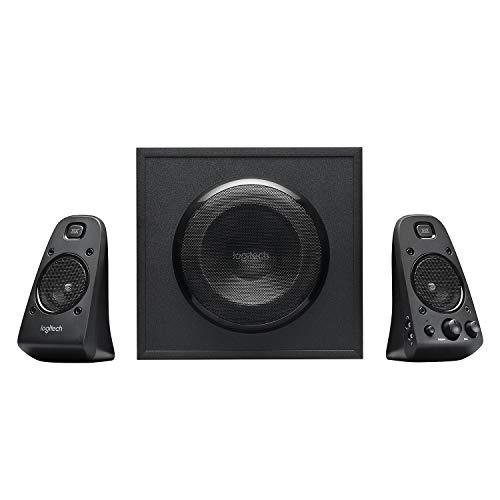
The Logitech Z623 is a THX-certified 2.1 speaker system designed to provide immersive, studio-quality sound for music, movies, and games.
- Power And Certification: THX-certified; listed 400 watts maximum output with two 35W satellite speakers and a powerful subwoofer.
- Inputs: RCA and 3.5mm inputs accommodate multiple devices like computers, consoles, and DVD players.
- Design: Tabletop satellite speakers and a floor subwoofer intended to fill even larger entertainment rooms.
- User Guidance: Manufacturer recommends consulting the user guide for setup and safe operation.
This model emphasizes certified performance and multi-device connectivity suitable for larger rooms that need impactful low end.
Cyber Acoustics CA-3610 2.1 Multimedia Speaker System

The CA-3610 is targeted at desktop users seeking a balance of clear mids/highs and enhanced bass from a down-firing subwoofer.
- Power: 62W peak power with 30W RMS specified for continuous output.
- Drivers: Dual 2-inch titanium drivers in satellites for crisp highs and a 5.25-inch down-firing subwoofer for bass.
- Controls & Connectivity: Wired control pod for volume and bass, 3.5mm aux input, and a headphone jack for private listening.
- Use Cases: Desktop PCs, Macs, consoles, tablets, and smartphones via 3.5mm connection.
This system prioritizes convenient desktop control and a compact subwoofer design that emphasizes low-frequency performance for typical personal setups.
Logitech Z533 2.1 Multimedia Speaker System

The Logitech Z533 aims for balanced acoustics and a front-facing subwoofer to deliver room-filling sound for varied media.
- Power: 120 watts peak (60W RMS) to offer stronger continuous output than many basic desktop systems.
- Acoustic Design: 2.25″ full-range drivers with sound directivity and a front-facing subwoofer for pronounced bass.
- Connectivity: 3.5mm and RCA inputs support computers, phones, consoles, and TVs.
- Placement Flexibility: Front-facing subwoofer simplifies placement in desk or living-room setups.
This model balances power and connectivity, making it adaptable for both gaming desks and small living-room audio setups.
Nylavee Computer Speakers With Subwoofer

The Nylavee 2.1 system is focused on PC users who want modern features like USB-C power and customizable lighting alongside a compact subwoofer.
- Output: 28W system power with Hi‑Fi, distortion‑free audio for music, movies, and gaming.
- Subwoofer Design: 4-inch downward-facing subwoofer optimized for ground reflection to enhance low-end response.
- Controls & Aesthetics: Touch control illumination with multiple lighting modes and USB/USB-C power for modern desktops.
- Connection: 3.5mm aux input for broad device compatibility and plug-and-play setup.
This option suits users who want compact physical footprint, modern power options, and visual customization alongside usable low-frequency support.
Cyber Acoustics CA-3908 2.1 Multimedia Speaker System
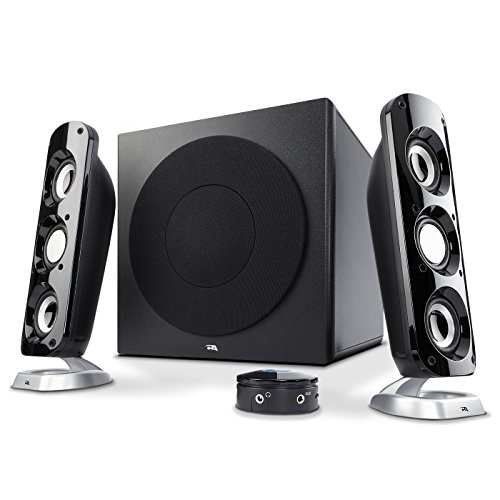
The CA-3908 emphasizes room-filling sound with a larger side-firing subwoofer and higher RMS figures for continuous listening.
- Power: 92W peak with 46W RMS for stronger sustained output compared to entry-level units.
- Subwoofer: Ported 6.5″ side-firing subwoofer and passive radiator system for extended bass response.
- Controls: External control pod for volume and bass, accessible 3.5mm aux input, and headphone jack.
- Versatility: Suited for desktops, laptops, and consoles; recommended source volume settings provided by manufacturer for optimal fidelity.
This system is tailored for listeners who want higher continuous power and a larger subwoofer voice for richer low frequencies in medium rooms.
Buying Guide: Choosing The Right 2.1 Powered Speaker System
Selecting a 2.1 system depends on room size, source devices, and audio priorities. Below are key considerations to compare models objectively.
- Power Ratings (RMS vs Peak): RMS indicates continuous usable power; peak values represent short bursts. For reliable volume and headroom, prioritize higher RMS where listed.
- Subwoofer Size And Configuration: Larger drivers (5″–8″ range) and ported or down-firing designs usually produce deeper bass. Side-firing and front-firing affect placement flexibility.
- Driver Quality And Design: Full‑range satellite drivers or titanium elements influence clarity in mids/highs. Look for mentions of driver materials and acoustic tuning.
- Connectivity Options: Confirm required inputs—3.5mm, RCA, optical, Bluetooth, USB/USB‑C—based on your PC, TV, or mobile devices.
- Controls And Convenience: External control pods, headphone jacks, and remote controls provide accessible volume/bass adjustment and private listening options.
- Certification And Tuning: Certifications (e.g., THX) indicate adherence to performance standards; manufacturer tuning notes can guide expected sound signature.
- Room Size And Placement: Compact desktops benefit from smaller subwoofers; living rooms or larger spaces often require bigger subs and higher RMS power for adequate bass.
- Aesthetic And Extras: Lighting, touch controls, and USB power are useful extras but secondary to acoustic specs if sound is the priority.
- Use Case Matching: For gaming and movies prioritize punchy bass and quick transients; for music prioritize balanced frequency response and driver clarity.
- Setup Tips: Place satellites at ear level for best imaging; allow subwoofer some distance from walls for cleaner bass; follow source-level recommendations to avoid clipping.
Compare RMS power, subwoofer size, and input types across models to match the system to your space and connected devices. Prioritize objective specs and compatibility over cosmetic features when evaluating options.