Choosing the right 1/4″ speaker cable affects sound, reliability, and safety for amps, PA systems, and stage rigs. Below is a quick comparison of top options chosen for gauge, build, length, and connector quality to help match your use case.
| Product | Brand | Key Feature |
|---|---|---|
| Pig Hog PHSC3 High Performance 14 Gauge 3 Ft | Pig Hog | 14 AWG, rubber jacket |
| GLS Audio 12 AWG 1/4 Inch Speaker Cable 3 Ft | GLS Audio | High-grade copper, flexible jacket |
| Yuyaokk 50 Ft 12 AWG 1/4″ to 1/4″ (2-Pack) | Yuyaokk | 50 ft, heavy-duty 12 AWG, lock latches |
| Hosa SKJ-403 Pro Speaker Cable 3 Ft | Hosa | REAN 1/4″ TS connectors, pro-grade |
| Cable Matters Premium Braided 12 AWG 3 Ft (2-Pack) | Cable Matters | Braided jacket, metal connectors, 12 AWG |
Pig Hog PHSC3 14 Gauge 1/4″ Cable

The Pig Hog PHSC3 Is A 14 Gauge Speaker Cable With A 9.2mm Rubber Outer Covering Designed For Short Runs. The thicker jacket Offers Flexibility And Resistance To Wear, Making It Suitable For Patch Connections Between Amps And Near-Stage Monitors.
Features List Reference: High Performance Speaker Cable, 9.2mm Rubber Outer Covering, 14 Gauge Wire. The 14 AWG Conductor Is Adequate For Lower-Power Setups Or Short Distances Where Minimal Power Loss Is Required.
GLS Audio 12 AWG 1/4″ Speaker Cable
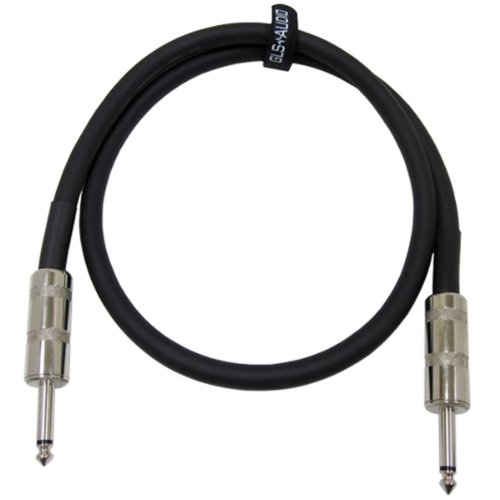
The GLS Audio Cable Uses High-Grade Copper And A Flexible 10.5mm Rubber Jacket For Durable Yet Bendable Runs. It Is Marketed For Guitar And Bass Amp Speaker Connections And Designed To Handle Higher Currents Because Of Its 12 AWG Conductor.
Features List Reference: Highest-Grade Copper, Premium-Grade Materials, Flexible 10.5mm Rubber Jacket. The 12 AWG Size Reduces Resistance Over Short To Moderate Distances, Making It Better For Loudspeaker And Amp Power Transfers Than Thinner Wire.
Yuyaokk 50 Ft 12 AWG 1/4″ Speaker Cables

Yuyaokk Supplies 50-Foot Runs In 12 Gauge Wire With Locking/Quick-Lock Style Connectors For High-Power Speaker Applications. The Construction Uses PVC Jacketing And Full Copper Conductors Aimed At Reducing Noise And Carrying High Current For Stage Monitors, Subs, And PA Systems.
Features List Reference: Premium PVC-85P, Full Copper Wire, 50 Ft, 12 Gauge. The Long Length Combined With Robust Conductor Gauge Makes These Cables Suitable For Larger Venues Where Run Length And Current Handling Are Important.
Hosa SKJ-403 Pro 1/4″ TS Speaker Cable

The Hosa SKJ-403 Is A Short Professional Speaker Cable Featuring REAN 1/4″ TS Connectors Known For Solid Contact And Durability. Its Build Targets Stage And Studio Use Where Reliable Signal Transfer Is Needed For Monitors And Small Amp Connections.
Features List Reference: Pro-Grade Cable, REAN 1/4″ TS Connectors, Road-Ready Durability. This Is A Good Option For Users Prioritizing Connector Quality And Consistent Contact Over Long Lengths.
Cable Matters Braided 12 AWG 1/4″ Speaker Cable
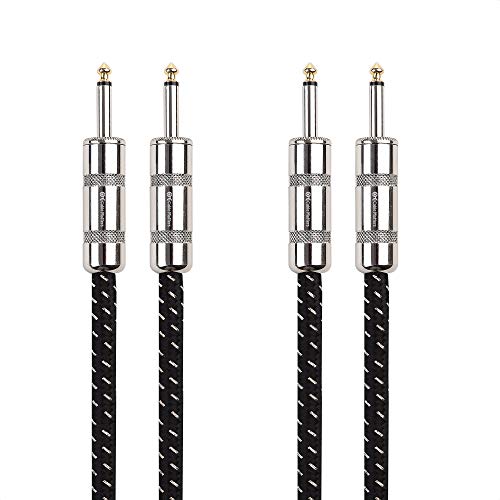
Cable Matters Offers A 12 AWG Speaker Lead With A Braided Jacket And Durable Metal Connectors. The Braiding Reduces Tangling And Adds Abrasion Resistance, While The Metal Plugs Support Frequent Plugging In Professional Environments.
Features List Reference: Metal Connectors, Braided Cable Jacket, 12 AWG Wire. This Cable Balances Durability And Electrical Performance, Making It A Practical Choice For Rehearsal Spaces And Mobile Rigs.
Buying Guide: Choosing The Right 1/4″ Speaker Cable
This guide highlights the most important factors to compare when selecting a 1/4″ speaker cable for amps, speakers, or PA systems. Consider your setup from multiple perspectives below.
Conductor Gauge And Power Handling
12 AWG vs 14 AWG: 12 AWG Offers Lower Resistance And Better Current Handling For High-power amps, long runs, and subwoofers. 14 AWG Is Acceptable For Short Runs And Lower-Power Applications. Choose larger gauge for distances over ~10 feet or high-wattage rigs.
Cable Length And Signal Loss
Longer runs increase resistance and potential power loss. For runs beyond 20–30 feet, prefer 12 AWG or speaker-specific multi-conductor cables. Short, flexible cables (3–6 feet) are fine in patching and stage monitor setups.
Connector Quality And Contact
Look For solid metal plugs and reputable connector brands (REAN, quality-plated TS) to ensure reliable contact and reduce intermittent signal issues. Locking or quick-lock styles are useful for live performance to prevent accidental unplugging.
Jacket Material And Durability
Rubber jackets Provide Flexibility And Abrasion Resistance; braided jackets resist tangling and fraying. For stage use, choose thicker jackets or braided options to withstand frequent movement.
Use Case Scenarios
- Stage/Live Performance: 12 AWG, locking connectors, durable jacket, longer lengths if required.
- Studio/Short Patch: 14 AWG or 12 AWG with high-quality plugs; focus on low noise and secure contact.
- PA/Subwoofer Runs: Prioritize 12 AWG and robust connectors to handle higher current.
Safety And Heat Considerations
Thinner wires in high-current setups can heat and increase resistance. Match cable gauge to amplifier output and speaker load. When in doubt, use a heavier gauge to maintain safety margins.
Durability vs. Flexibility Trade-Off
Thicker jackets and braided sleeving improve longevity but may reduce pliability. For fixed installations prioritize durability; for frequent setup/tear-down choose more flexible jackets with quality strain relief at connectors.
Compatibility And Wiring Standards
Ensure the cable is wired as TS (tip-sleeve) speaker cable and not line-level instrument patch with different impedance expectations. For systems using Speakon or NL4 ports, select cables specifically wired to match those connectors or use proper adapters.
Budget And Replacement Strategy
Invest According To Risk: high-use live rigs benefit from spending more on robust 12 AWG braided cables; lower-use home setups can rely on shorter 14 AWG leads. Consider carrying spares for live shows to avoid downtime.
Comparative Summary
For Short Patch Runs: Pig Hog And Hosa Offer Compact, Flexible Options. For Higher Power Or Longer Runs: GLS Audio, Cable Matters, And Yuyaokk Provide 12 AWG Solutions With Improved Current Handling. Braided Jackets And Metal Plugs Increase Longevity, While Locking Connectors Add Security For Stage Use.