Choosing a powered subwoofer for professional audio work means balancing low-frequency extension, amplifier control, and room integration. Below is a concise comparison of five powered subwoofers and sub systems selected for studio, live sound, home theater, or mobile use.
| Product | Type | Key Strength |
|---|---|---|
| PreSonus Eris Sub 8BT | Compact Studio Subwoofer | Bluetooth, 30 Hz Extension, 100W |
| SVS SB-1000 Pro | Sealed Studio/Subwoofer | High-Current Amplifier, 12″ Driver, DSP Tuning |
| Behringer Eurolive B1200D-PRO | PA Powered Subwoofer | 12″ Driver, Built-In Crossover & Filters |
| Polk Audio PSW10 | Home Theater Subwoofer | 10″ Dynamic Woofer, Power Port Technology |
| JBL BassPro SL | Vehicle/Under-Seat Subwoofer | Compact Under-Seat Form Factor, Class D Amp |
PreSonus Eris Sub 8BT — 8″ Powered Studio Subwoofer

The PreSonus Eris Sub 8BT Is A Compact Front-Firing Subwoofer Designed For Studio Reference And Home Audio. It Features An 8-Inch Woven-Composite Woofer And A 100-Watt Amplifier That Reaches Down To 30 Hz. Bluetooth Wireless Input Adds Convenience For Quick Source Playback In Non-Critical Listening Situations.
- Key Features: 8″ woven-composite driver, 100W power, 30 Hz low-end, Bluetooth wireless connectivity.
- Use Case: Nearfield monitoring for small studios, desktop setups, and multimedia reference where compact footprint matters.
- Considerations: Best suited to small rooms or desk setups; placement and crossover alignment are important for accurate integration with monitors.
SVS SB-1000 Pro Sealed Subwoofer
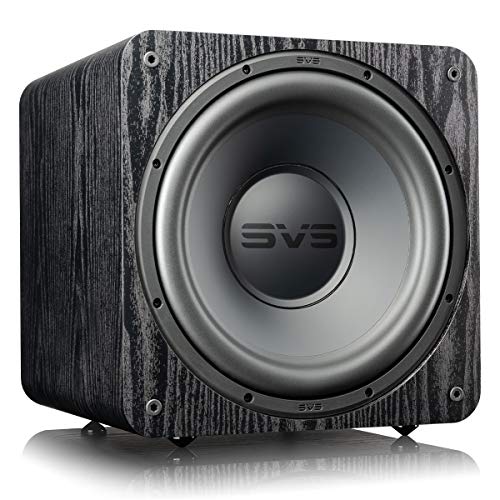
The SVS SB-1000 Pro Is A Compact Sealed Subwoofer With A 12-Inch High-Excursion Driver And A Dedicated Sledge STA-325D Amplifier. It Includes DSP-Based Tuning And Advanced Room-Correction Capabilities Designed To Deliver Controlled, Accurate Low Frequencies With Low Distortion.
- Key Features: 12″ high-excursion driver, 325W RMS Sledge amplifier, 50MHz Analog Devices DSP for precise tuning.
- Use Case: Studio tracking rooms, nearfield/mastering environments, and home theaters requiring tight, accurate bass and high output capability.
- Considerations: Sealed enclosures deliver tight transient response but may require larger drivers or multiple subs for extreme low-frequency extension in big rooms.
Behringer Eurolive B1200D-PRO 12″ Powered Subwoofer

The Behringer Eurolive B1200D-PRO Is A 12-Inch Powered Subwoofer Built For PA And Live Applications. It Incorporates A Built-In Crossover, Variable High-Cut Filter, And High-Pass Filtered Outputs To Integrate With Full-Range Systems And Reduce Overlap Between Drivers.
- Key Features: 12″ driver, 500W claimed power class, built-in crossover and filters for PA use.
- Use Case: Small to medium live sound reinforcement, DJ rigs, and portable FOH where on-board filtering simplifies setup.
- Considerations: Designed For Live Sound Rather Than Critical Studio Reference; enclosure tuning and crossover slope selection affect performance with mains.
Polk Audio PSW10 10″ Powered Subwoofer
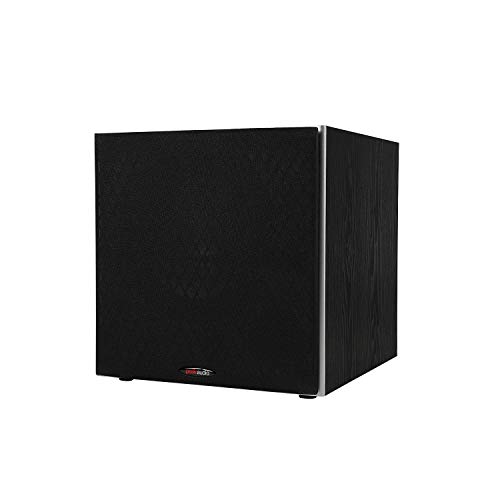
The Polk PSW10 Is A Compact 10-Inch Powered Subwoofer Designed For Home Theater And Small Rooms. It Uses Polk’s Directed Power Port Technology And Timbre Matching To Blend With Polk Monitor And T-Series Speakers While Delivering Deep, Usable Bass In Tight Spaces.
- Key Features: 10″ Dynamic Balance woofer, power port, timbre-matching with Polk speaker lines, up to 100W dynamic power.
- Use Case: Home theater systems, small listening rooms, and users seeking simple integration with consumer speaker lines.
- Considerations: Consumer-oriented voicing and port tuning emphasize perceived bass extension; room placement and crossover adjustment matter for accurate results.
JBL BassPro SL 8″ Under-Seat Powered Subwoofer

The JBL BassPro SL Is An 8-Inch Under-Seat Powered Subwoofer Designed For Automotive Use. It Features A Compact Enclosure And A Class D Amplifier Optimized For Under-Seat Installation Where Space Is Limited But Low-End Reinforcement Is Desired.
- Key Features: 8″ driver, compact under-seat enclosure, efficient Class D amplification rated for automotive installations.
- Use Case: Vehicle audio upgrades where trunk space is unavailable and consistent low-frequency support is required.
- Considerations: Automotive acoustic environments differ from rooms; installation location, vehicle cabin modes, and enclosure orientation affect in-car bass response.
Buying Guide: How To Choose A Pro Audio Powered Subwoofer
Selecting the right powered subwoofer requires evaluating acoustic goals, system compatibility, and room constraints. Below are the primary considerations and multiple perspectives to guide selection.
Definition Of Needs
- Studio Reference Vs. PA Vs. Home Theater: Studio subs prioritize accuracy and low distortion. PA subs emphasize output and durability. Home theater subs favor perceived impact and extension.
- Room Size: Small rooms often benefit from sealed subwoofers for tighter response. Larger rooms may need ported designs, larger drivers, or multiple subs for even bass distribution.
Technical Specifications To Compare
- Driver Size And Type: Larger drivers and long-throw designs produce more SPL and deeper extension; sealed drivers offer faster transient response.
- Amplifier Power And Headroom: Look For Continuous RMS Power Ratings And Amplifier Topology (Class D For Efficiency; High-Current Designs For Control).
- Frequency Response: Check Lowest Usable Frequency; pro monitoring often needs extension below 40 Hz for accurate mixes.
- DSP And Tuning: Onboard DSP, adjustable crossover, and room-correction tools help integrate subs with mains and tailor response to the room.
- Inputs/Outputs And Integration: XLR/RCA options, high-pass outputs, and phase/crossover controls enable easier integration into studio, PA, or consumer systems.
Practical Considerations
- Placement Flexibility: Compact subs (8–10″) fit nearfield setups or under seats; larger sealed or ported subs require floor space and placement testing.
- Multiple Subs: Using two smaller subs often yields more uniform bass response across a room than a single large unit.
- Ported Vs. Sealed: Ported designs extend low-frequency output with higher efficiency; sealed cabinets provide tighter control and lower distortion at the cost of some extension.
- Transport And Durability: For touring or mobile use, rugged PA subs with protective corners and handles are preferable to delicate studio cabinets.
Tuning And Integration Tips
- Set Crossover Correctly: Start With A Crossover 10–20 Hz Above The Lowest Frequency Your Main Speakers Reproduce Reliably.
- Phase And Polarity: Adjust Phase Or Polarity To Avoid Cancellation At The Crossover Region.
- Use Measurement Tools: Room EQ Tools Or SPL Measurements Help Locate Optimal Placement And Adjust DSP Settings For A Flat In-Room Response.
Budget And Value Perspectives
- Entry-Level Options: Offer good integration for small rooms but may lack tuning sophistication.
- Mid-Range: Typically balances power, driver size, and DSP features suited for project studios and home theaters.
- Pro-Level: Prioritizes amplifier headroom, low distortion, advanced DSP, and robust drivers for critical monitoring and high SPL demands.
Final Selection Checklist
- Confirm Intended Use: Studio, PA, Home Theater, Or Vehicle.
- Match Crossover And Connection Types With Your System.
- Consider Room Size And Placement Options.
- Verify Tuning Tools: DSP, Phase, And Crossover Controls.
- Assess Build Quality For Transport Or Permanent Installation.